
What Happens When Water or Other Waste Contaminates a Restaurant's Used Fryer Oil?
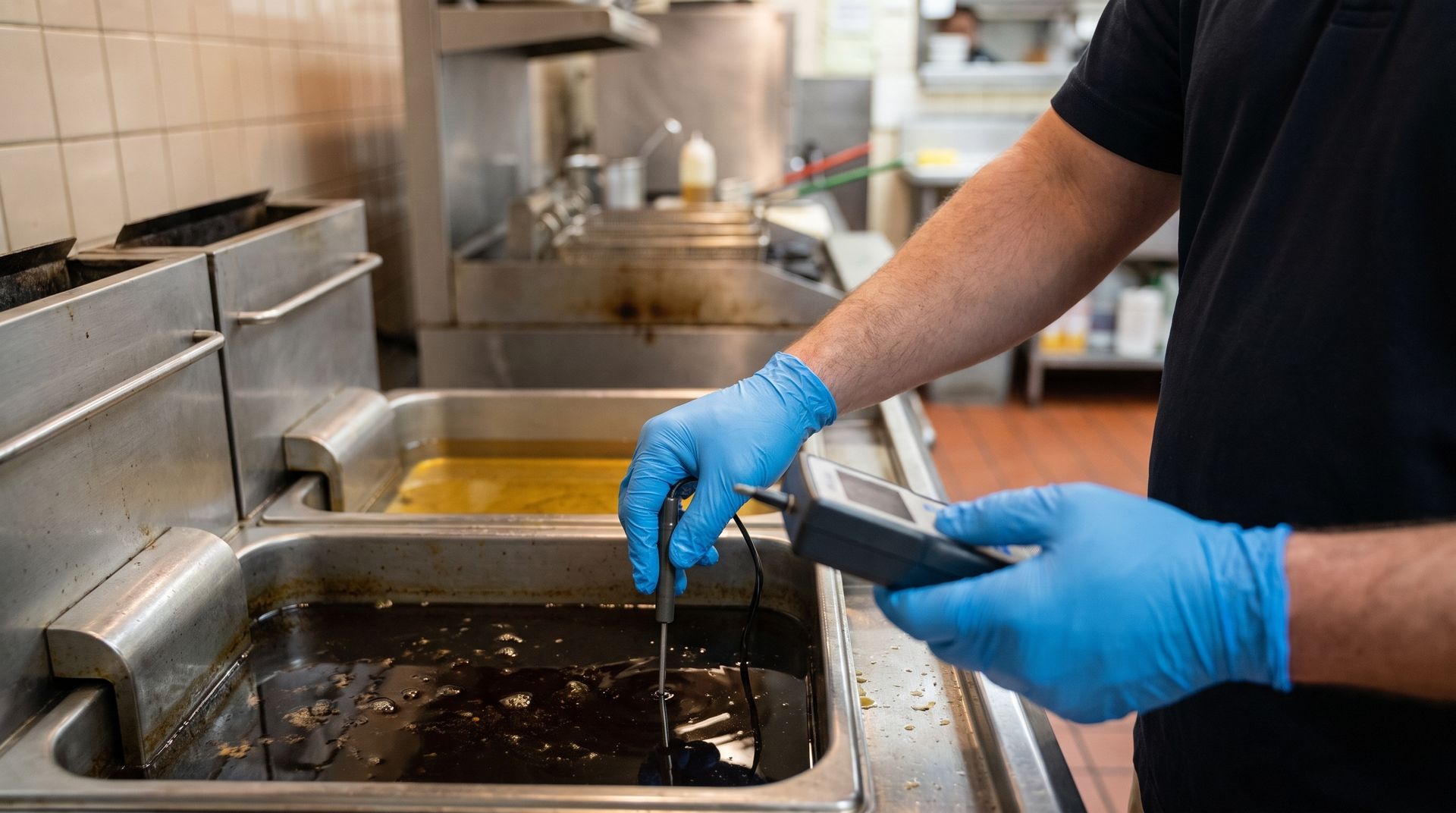
The value of used fryer oil depends in part on the condition of the oil being collected. When water, cleaning chemicals, food waste or other contaminants get mixed into a restaurant's used cooking oil, they can make the oil more difficult to process and may affect whether a used cooking oil recycling company will accept it or pay the usual rate.
For restaurant owners and kitchen managers, preventing contamination starts with how employees handle used oil before it reaches the collection container.
How Does Contamination Enter Used Fryer Oil Collection Containers?
Contamination can occur at several points in a commercial kitchen, from the fryer itself to the equipment and containers used to store waste oil. Even kitchens with established cleaning procedures can experience problems when employees accidentally mix waste streams.
Water is one of the most common contaminants. It can enter used fryer oil through:
- Fryer cleaning: Water left behind after cleaning or rinsing equipment.
- et transfer equipment: Moisture in utensils, buckets or containers used to move waste oil.
- Outdoor storage: Rainwater entering through open, damaged or improperly sealed collection containers.
- Condensation: Moisture accumulating inside storage containers as temperatures fluctuate.
Cleaning chemicals pose another concern. Degreasers, detergents, sanitizers, and rinse water can enter collection containers when employees use the same equipment for multiple tasks without properly separating or cleaning it. This is especially likely when kitchens are busy or employees are rushing to complete end-of-day cleaning.
Other contaminants include food scraps, packaging materials, grease from unrelated processes, and waste liquids. These materials can enter containers when employees dispose of different waste streams in the same location or use the wrong container for a particular task.
Why Contaminated Fryer Oil Creates Collection and Recycling Challenges
The suitability of used cooking oil for processing depends partly on its condition.
Water increases the amount of material that must be separated from the oil before further processing. Excessive moisture can affect processing efficiency and increase the need for additional handling. Food particles and other solids may also require screening, filtration, or separation.
Cleaning chemicals can create more complicated problems because their effects depend on the substances involved and their concentrations. Certain chemicals can alter the oil's characteristics or introduce unwanted compounds into the recycling process. Some contaminants may also create handling or equipment concerns for collection providers and processing facilities.
Contamination can affect logistics, too. A collection provider may need to assess a questionable load, arrange additional handling, or determine whether the material meets the receiving facility's specifications. Depending on the contamination, the oil could be subject to different acceptance requirements or additional charges.
For restaurants, these complications can disrupt routine pickups and make waste management less predictable. Keeping used cooking oil separate from other waste helps protect its value and supports a more consistent collection schedule.
Can Contaminated Used Fryer Oil Still Be Recycled?
In many cases, contaminated fryer oil can still be recycled, but the answer depends on what entered the oil and how much contamination is present.
Oil containing small amounts of food residue or manageable moisture may be suitable for recycling after appropriate separation or processing.
Oil contaminated with cleaning chemicals, significant quantities of water, or unknown waste materials may require additional assessment. Some loads may be rejected if the contamination makes them unsuitable for the processing or creates safety and environmental concerns.
Restaurants should never assume contaminated oil is automatically unusable, but they should not assume it can be accepted without inspection, either. Contacting the collection provider promptly and explaining the type of contamination can help determine the appropriate next steps.
How Commercial Kitchens Can Prevent Waste Stream Contamination
- Use dedicated equipment: Keep oil transfer tools, funnels, and collection equipment separate from tools used for cleaning chemicals or other waste liquids.
- Train employees: Explain how water, detergents, and unrelated waste can contaminate used oil, and establish clear disposal instructions.
- Keep containers protected: Use appropriate lids and secure connections to reduce exposure to rain, cleaning water, and accidental spills.
- Separate waste streams: Provide clearly labeled containers for used cooking oil, wastewater, food scraps, and chemical waste.
- Follow cleaning procedures: Ensure equipment is properly drained and dried where appropriate before it comes into contact with oil.
- Inspect collection areas: Check for leaks, spills, misplaced waste, and damaged containers as part of routine kitchen maintenance.
Partner With Southern Green Industries for Smarter Used Cooking Oil Management
If your restaurant wants to simplify used fryer oil disposal and improve kitchen efficiency, contact Southern Green Industries at (404) 419-6887. If you’re interested in reducing the risk of oil contamination, spills and other oil collection mishaps, ask us about our integrated oil management solutions.
Recent Blog Posts


Contact us Today for a FREE Quote
We are committed to making grease trap cleaning and fryer oil recycling as clean and easy as possible. If you’d like to learn more about our services or get a quote, give us a call at (404) 419-6887.
