
What Should You Know About the Grease Interceptor Before Buying a Restaurant?
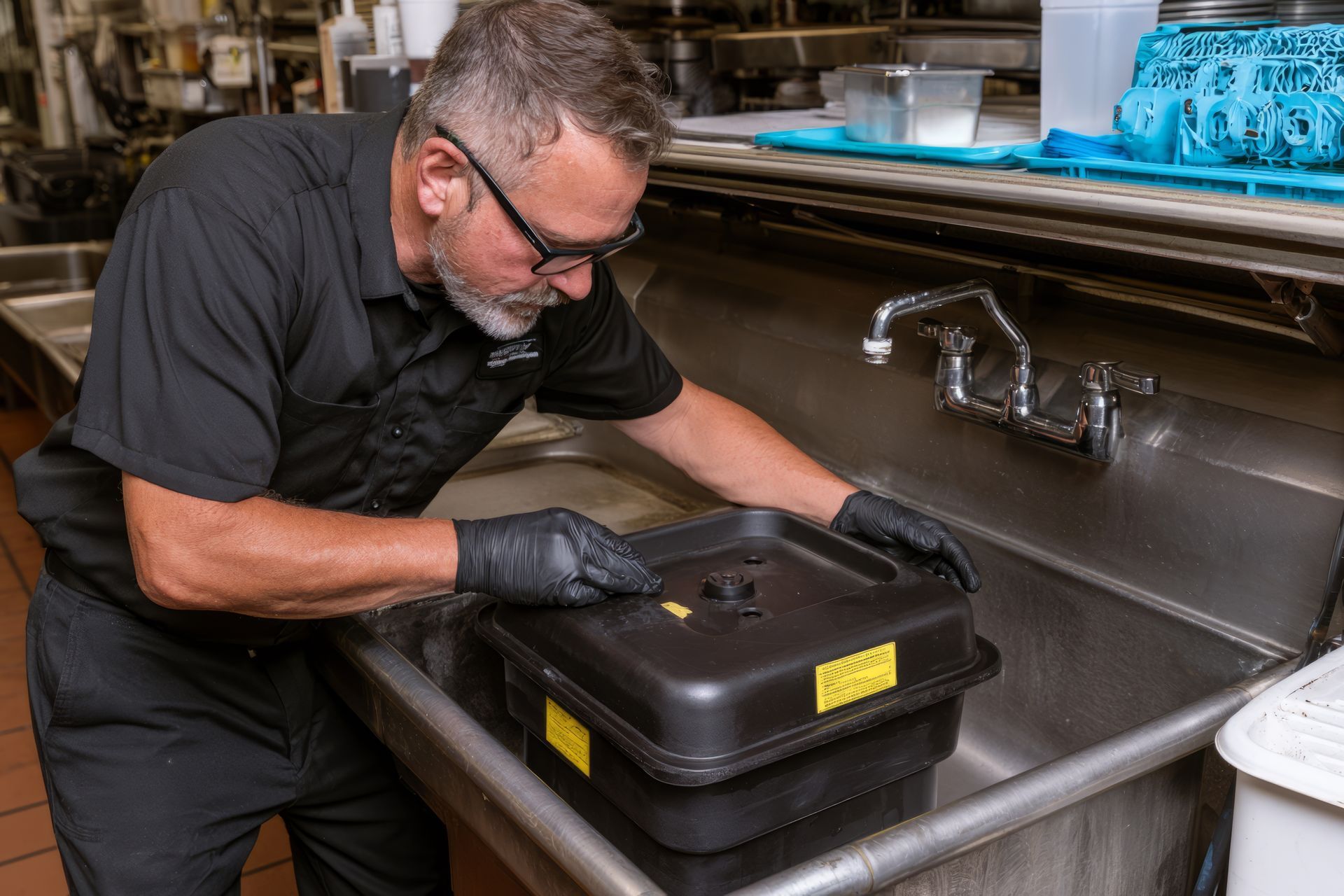
Purchasing an existing restaurant means inheriting the grease management system already in place at the property. Even if the interceptor was acceptable for the previous operator, that does not automatically mean it will support the next concept, menu, equipment package or production volume.
In some cases, a change in operations may require more frequent cleaning, modifications to the grease management system or other improvements that should be factored into the overall cost of taking over the space.
Before buying a restaurant, taking over an existing lease or leasing a second-generation restaurant space, operators should review the interceptor’s condition, service history, inspection records and suitability for the intended operation. An older interceptor, a tight cleaning schedule or a system designed around a different type of kitchen can create unexpected costs after the sale closes.
Review Service Records and Manifests
Service records, pumping invoices and waste manifests can provide valuable insight into how well the system has been maintained over time.
Regular cleaning records indicate that the previous owner likely understood the importance of proper grease management. Missing or incomplete records, on the other hand, may suggest the interceptor was neglected or serviced inconsistently.
Reviewing these documents can also help you identify which service provider handled the maintenance and whether any recurring issues were noted during inspections or cleanings.
Determine the Current Cleaning Frequency
Ask how often the interceptor has been cleaned and review the available service records. The existing cleaning frequency can provide insight into how heavily the system is being used and whether the previous operator was staying ahead of compliance requirements.
Keep in mind that the current schedule may not be appropriate for your intended operation. A concept with higher grease production, longer operating hours or greater food volume may require more frequent cleaning than the previous tenant. Understanding the existing service history can help identify potential increases in maintenance costs before you take over the space.
Look for Signs of Existing Interceptor Problems
During due diligence, buyers should look for warning signs that the interceptor may have condition, access or performance issues beyond the normal need for routine cleaning.
Common indicators include:
- Persistent foul odors around the interceptor
- Grease buildup near access covers
- Slow drainage within the restaurant
- Evidence of backups or overflows
- Damaged lids, baffles or structural components
These issues do not always mean the previous operator ignored required cleaning. In some cases, they point to aging components, poor access, hydraulic problems, structural wear or a service schedule that may no longer match the restaurant’s actual use. While some problems can be corrected with cleaning, repairs or adjusted service intervals, others may require more expensive rehabilitation or replacement work.
Identifying these concerns before closing allows buyers to ask better questions, request additional documentation or factor potential grease system costs into the transaction.
Verify the Interceptor Is Properly Sized for Current Operations
A grease interceptor that was appropriately sized years ago may no longer be sufficient for the restaurant's current operations.
For example, a restaurant may have expanded its menu, increased seating capacity, added catering services or installed new kitchen equipment that generates additional grease waste. If the interceptor cannot adequately handle the current volume, compliance problems and maintenance challenges may occur.
Ask for any available engineering records, permits or installation documentation. Comparing the interceptor's capacity to the restaurant's operational demands can help determine whether upgrades may be necessary in the future.
Check for Previous Violations or Compliance Issues
Grease management violations can become expensive quickly. Before purchasing a restaurant, investigate whether the business has received notices of violation, citations or fines related to grease interceptor maintenance or wastewater discharge.
Previous violations may indicate underlying problems with the interceptor system itself, including inadequate sizing, improper maintenance practices or operational deficiencies.
Consider a Professional Inspection Before Closing
Before taking over an existing restaurant, it may be worthwhile to have the grease interceptor evaluated by an experienced grease trap service provider. A review of the interceptor's condition, service history and recent maintenance records can help identify potential concerns before operations begin.
Depending on site conditions, this review may reveal issues such as damaged baffles, excessive solids accumulation, signs of structural deterioration, recurring compliance concerns or indications that the existing cleaning schedule may not be adequate for the intended operation.
Protect Your Investment with Proper Due Diligence
If you're purchasing a restaurant or need expert grease interceptor maintenance in Atlanta, Southern Green Industries can help. Our experienced team provides reliable grease management solutions that keep restaurants compliant, efficient and operating smoothly.
Contact us at (404) 419-6887 to schedule service or learn more about protecting your food service investment.
Recent Blog Posts
Contact us Today for a FREE Quote
We are committed to making grease trap cleaning and fryer oil recycling as clean and easy as possible. If you’d like to learn more about our services or get a quote, give us a call at (404) 419-6887.
