
Why Some Grease Interceptors Develop Corrosion Problems Years Before Expected
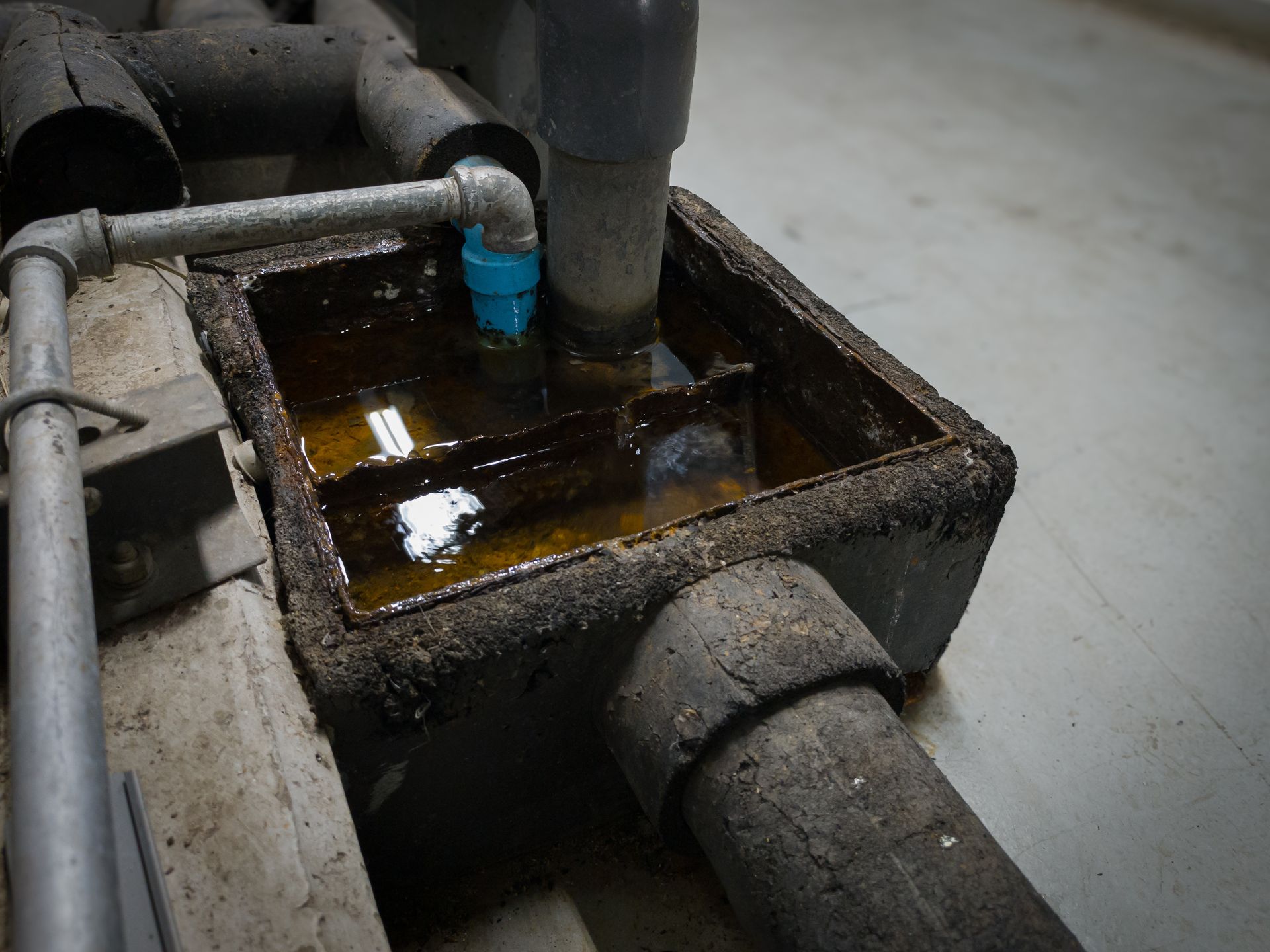
Grease interceptors are designed to provide years, often decades, of reliable service when properly maintained.
However, some systems begin showing signs of significant corrosion much earlier than expected. Premature deterioration can lead to costly repairs, compliance issues, unpleasant odors and even complete system failure if left unaddressed.
The Role of Hydrogen Sulfide Formation
As fats, oils, grease and food waste accumulate inside an interceptor, bacteria begin breaking down organic material. During this process, hydrogen sulfide gas can develop, particularly in environments with low oxygen levels.
Hydrogen sulfide itself is problematic because it can react with moisture and oxygen above the wastewater line, creating sulfuric acid. Over time, this acidic environment can aggressively attack both concrete and metal components inside the interceptor.
The greater the buildup of waste materials and the longer they remain inside the interceptor, the greater the potential for hydrogen sulfide production and corrosion-related damage.
How Concrete Corrosion Occurs
When sulfuric acid forms within the interceptor, it gradually begins attacking the concrete surface. The damage often starts above the water line where gases accumulate and condense. As corrosion progresses, the concrete may begin to soften, flake, pit or crumble.
Over time, this deterioration can compromise the structural integrity of the interceptor. Small areas of damage can expand into larger problems that require significant rehabilitation or replacement.
Routine cleaning and inspection help identify early signs of concrete deterioration before structural damage becomes severe.
Metal Components Are Also Vulnerable
Common metal parts include:
● Inlet and outlet tees
● Baffles
● Access covers
● Fasteners and hardware
● Internal support structures
Exposure to corrosive gases, wastewater and moisture can cause rust, thinning and eventual failure of these components. When critical parts deteriorate, interceptor performance suffers.
For example, a corroded outlet tee may allow excessive grease to escape into the sewer system, increasing the risk of blockages and regulatory violations.
Regular inspections during cleaning visits provide an opportunity to assess the condition of these components before failures occur.
Cracked Baffles and Damaged Tees
Baffles and tees play an important role in grease interceptor operation by controlling wastewater flow and helping separate grease from water.
Unfortunately, these components are often among the first to show signs of damage.
Corrosion, age, shifting soil conditions, improper installation and physical stress can all contribute to cracked baffles or deteriorating tees. Once these components become damaged, the interceptor may no longer function as intended.
Grease can bypass separation zones, solids may accumulate in unintended areas and overall treatment efficiency can decline.
Because many of these components are hidden beneath the surface, problems often go unnoticed until a professional inspection is performed.
Warning Signs During Service
Experienced grease interceptor technicians often identify early warning signs during routine maintenance and pumping services. Some of the most common indicators include:
- Strong sulfur or "rotten egg" odors
- Flaking or crumbling concrete surfaces
- Rusted metal components
- Visible cracks in baffles or walls
- Missing or deteriorated tees
- Excessive pitting above the water line
- Structural instability around access openings
These issues may appear minor at first, but can worsen quickly if corrective action is delayed.
Routine maintenance appointments provide an ideal opportunity to assess interceptor condition and document any developing concerns.
Repair vs. Replacement Considerations
When corrosion is discovered, business owners often face an important question: should the interceptor be repaired or replaced?
The answer depends on the severity of the damage.
Minor issues such as isolated corrosion, damaged tees or small concrete defects can often be repaired cost-effectively. Replacing individual components and performing targeted rehabilitation may restore proper function while extending system life.
However, if corrosion has significantly weakened structural elements, caused extensive concrete deterioration or compromised multiple internal components, replacement may be the more practical long-term solution.
A professional evaluation can help determine the most cost-effective approach based on the interceptor's condition, age and expected remaining lifespan.
Schedule Routine Grease Interceptor Service in Metro Atlanta
Routine grease interceptor cleaning helps reduce FOG buildup, control odors, maintain capacity and give technicians an opportunity to note visible signs of wear during service. Southern Green Industries provides dependable grease trap and interceptor cleaning for food service businesses throughout the Atlanta metro area.
Call (404) 419-6887 to schedule service.
Recent Blog Posts
Contact us Today for a FREE Quote
We are committed to making grease trap cleaning and fryer oil recycling as clean and easy as possible. If you’d like to learn more about our services or get a quote, give us a call at (404) 419-6887.
