
Planning for Grease Interceptor Service During Kitchen Renovations
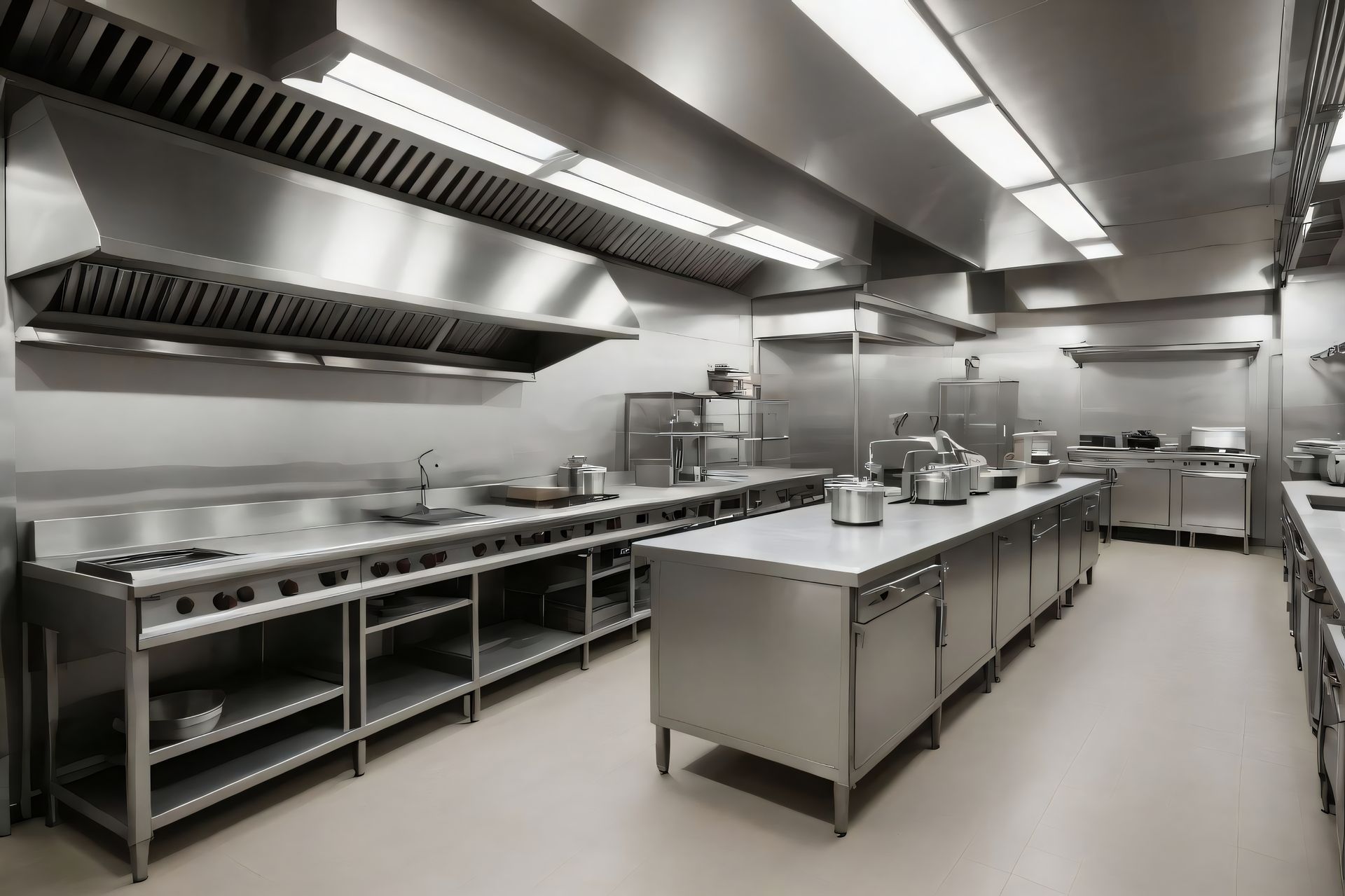
Kitchen renovations rarely target grease interceptors directly; yet, construction activity is one of the most common reasons routine grease trap service is disrupted. The consequences of missed cleanings, blocked access and unnoticed damage may manifest weeks or months after a project wraps, usually during an inspection or an unexpected backup.
Planning interceptor service alongside renovation timelines helps prevent those issues and keeps compliance intact while work is underway.
Why Renovations Disrupt Grease Interceptor Service Even When Not Intended
Most service interruptions happen unintentionally. Contractors stage equipment over access lids, temporary walls cut off truck access or new flooring gets poured directly over risers that were previously flush. Even small changes, like relocating dumpsters or fencing off a pad, can prevent a vacuum truck from reaching the interceptor.
Interior work creates its own problems. Slab cuts, trenching or venting changes can alter how the interceptor performs without anyone noticing. Dust, grit and construction debris often enter floor drains during demo and finishing phases, accelerating solids buildup inside the tank. In some cases, temporary drain re-routing during construction bypasses the interceptor entirely, creating downstream risk that does not become apparent until later.
Because none of these issues look like grease problems on their face, they often go unaddressed until service is missed or an inspector flags the site.
Coordinating Cleaning Schedules Before Demo or Layout Work Begins
One of the simplest ways to protect compliance during renovations is to adjust service timing before construction starts. Pumping an interceptor a few days early creates a buffer that allows the system to operate safely even if access becomes restricted for several weeks.
Waiting until the exact scheduled service date during construction is risky. If a truck cannot reach the lid or the lid cannot be opened, the service is skipped entirely. That missed cycle can put the site out of compliance, especially for facilities already on tight intervals or higher-risk inspection schedules.
Aligning grease interceptor service with the construction calendar allows owners and project managers to identify blackout periods in advance. In many cases, an early pump-out before demolition is far less disruptive than trying to squeeze service into an active jobsite.
Protecting the Trap Structure During Construction
Grease interceptors are structural assets, not just maintenance items. During renovations, they are often treated like part of the slab rather than a serviceable system. Heavy equipment staged over lids can crack frames or deform covers, leading to sealing issues later. Forklifts and pallet jacks repeatedly crossing the same area can create hairline slab fractures that eventually spread.
Chemical exposure is another common problem. Floor coatings, epoxies and cleaning agents used during renovations can wash into drains and collect inside the interceptor. These substances can damage coatings, degrade seals or interfere with grease separation.
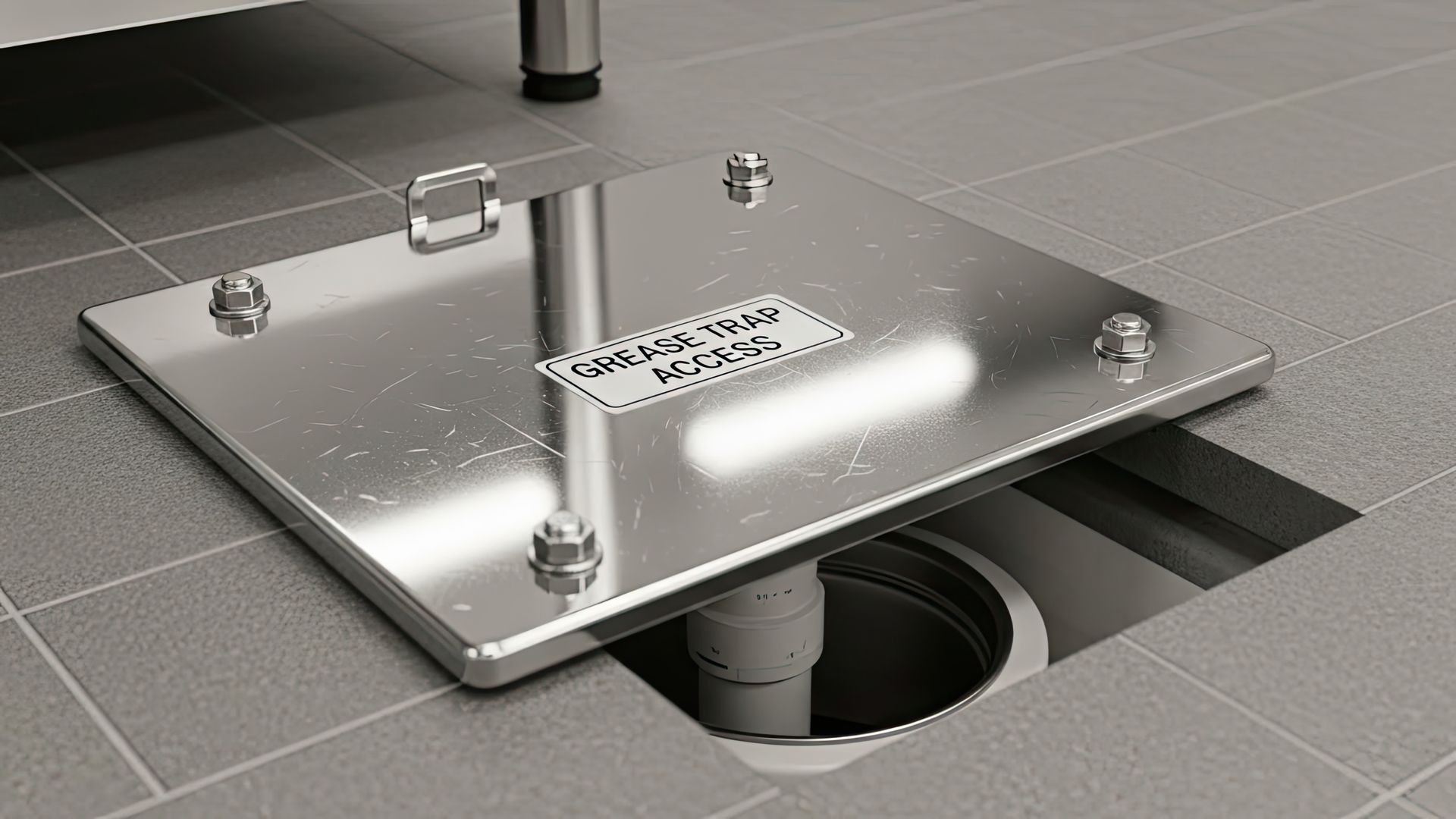
Physical protection matters as well. Temporary covers over floor drains, sealing interceptor lids during active construction and clearly marking access points all help prevent grit and debris from entering the system. These small steps reduce the likelihood of premature filling or hidden damage.
Maintaining Inspection Readiness Through Construction Phases
Inspections do not pause just because a renovation is underway. Facilities that are already flagged or placed on increased inspection cycles are especially vulnerable during construction. Inspectors expect continued compliance, including documented cleanings and accessible equipment.
Blocked lids, missing manifests or visible construction debris inside the interceptor can all trigger violations. Even if the renovation caused the issue, responsibility still rests with the facility operator.
Maintaining inspection readiness means keeping service records current, ensuring the interceptor remains accessible and confirming that any temporary plumbing changes still route wastewater through the system.
Communication between the contractor, the facility manager and the service provider is critical during this phase.
Post-Construction Condition Checks Catch Problems Early
Once construction is complete, many operators assume everything returns to normal. That assumption often leads to delayed issues. Renovations can shift piping, alter venting or introduce subtle structural damage that affects interceptor performance.
Scheduling a post-construction condition check, even if the regular service interval is not yet due, helps catch problems early. Technicians can look for cracked lids, compromised risers, damaged baffles or signs that bypass is occurring. Venting issues caused by layout changes are also easier to address before they result in odor complaints or backups.
This follow-up service acts as a reset point, confirming that the interceptor is functioning as intended before the kitchen returns to full volume.
Plan Ahead to Keep Grease Management on Track During Restaurant Renovations in the Metro-Atlanta Area
Southern Green Industries works with food service facilities across metro Atlanta to coordinate grease interceptor service before, during and after renovations. From adjusting service schedules to performing post-construction condition checks, our team helps keep grease management predictable even when your kitchen is under construction.
If you are planning a renovation or are already in the middle of one, contact Southern Green Industries at (269) 372-1691 to schedule service.
Recent Blog Posts
Contact us Today for a FREE Quote
We are committed to making grease trap cleaning and fryer oil recycling as clean and easy as possible. If you’d like to learn more about our services or get a quote, give us a call at (404) 419-6887.
