
What Atlanta’s Rapid Growth in Ghost Kitchens Means for FOG Infrastructure
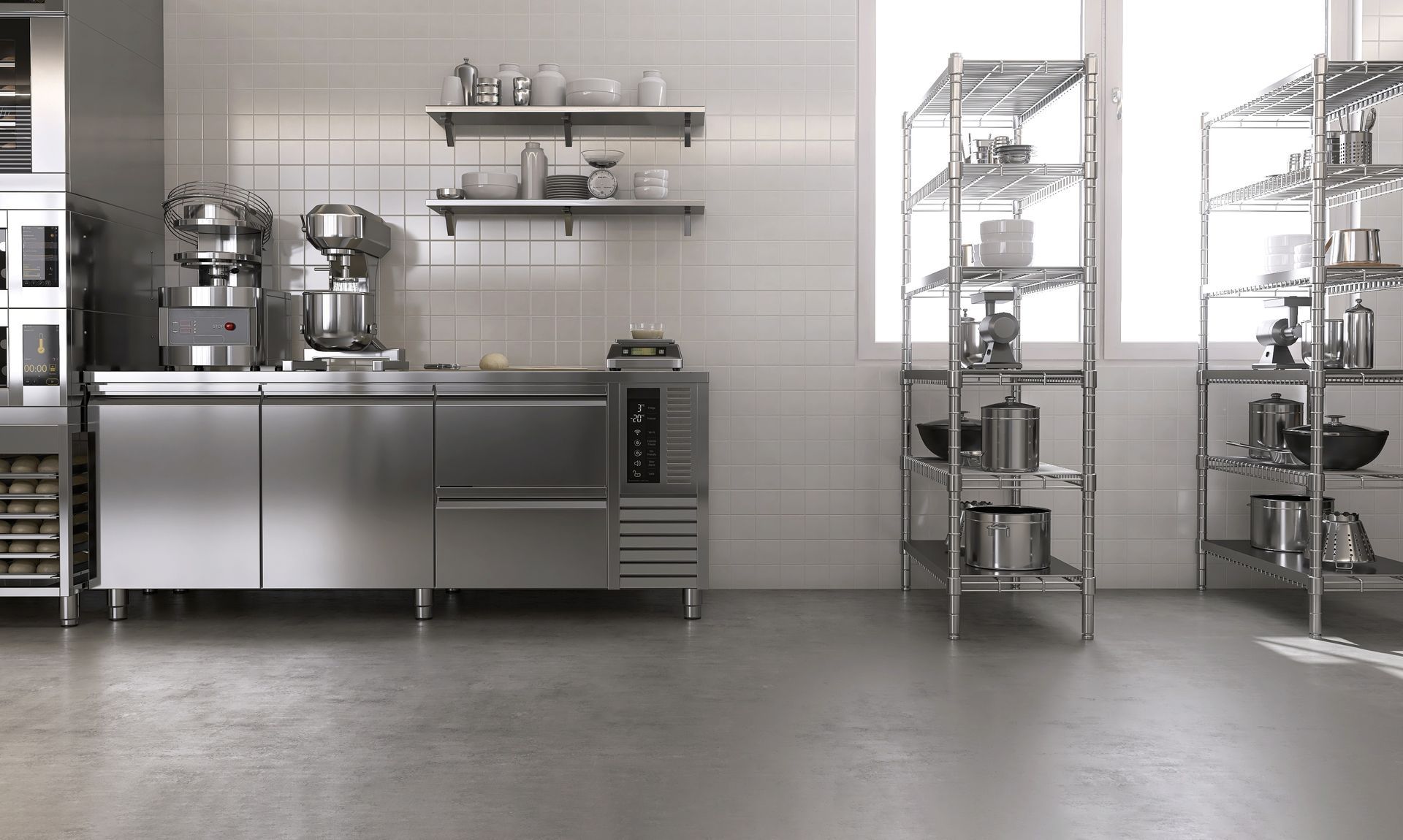
Atlanta’s ghost kitchen market has shifted from a niche experiment to a high-velocity sector driving substantial volume across meal delivery platforms. Multi-brand kitchens, app-only concepts and flexible commissary spaces now operate across repurposed warehouses, former retail suites and dense infill developments in the metro area.
These sites push significant production through footprints that were never designed for foodservice, particularly on a large scale, which creates a ripple effect on the region’s FOG infrastructure.
Nontraditional Buildouts That Strain Existing FOG Systems
Ghost kitchens often occupy converted spaces that sidestep traditional restaurant layouts. Mechanical, plumbing, and waste systems are added to buildings with limited space for traps and interceptors, and many lack the room for the larger units a multi-brand kitchen actually needs.
Undersized Traps Serving Oversized Production Volumes
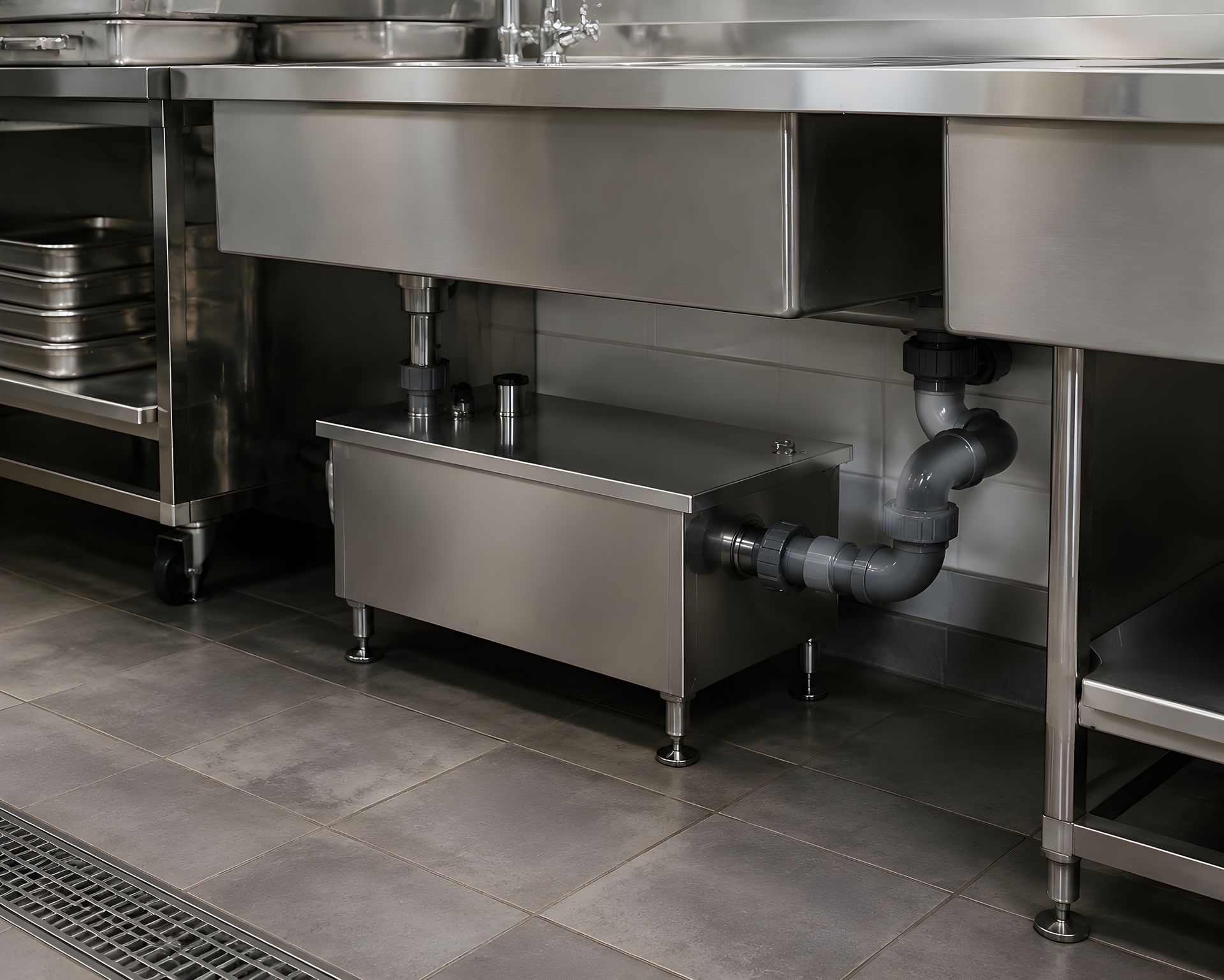
Commissary and multi-brand kitchens can run dozens of concepts through a single line. A trap sized for a typical quick-service footprint becomes overloaded quickly, leading to accelerated FOG accumulation, reduced retention time and premature backups.
The problems are more likely when operators add appliances or expand prep areas without updating the original FOG management design, which compounds the load on an interceptor that was marginal from the start.
Improvised Trap Locations
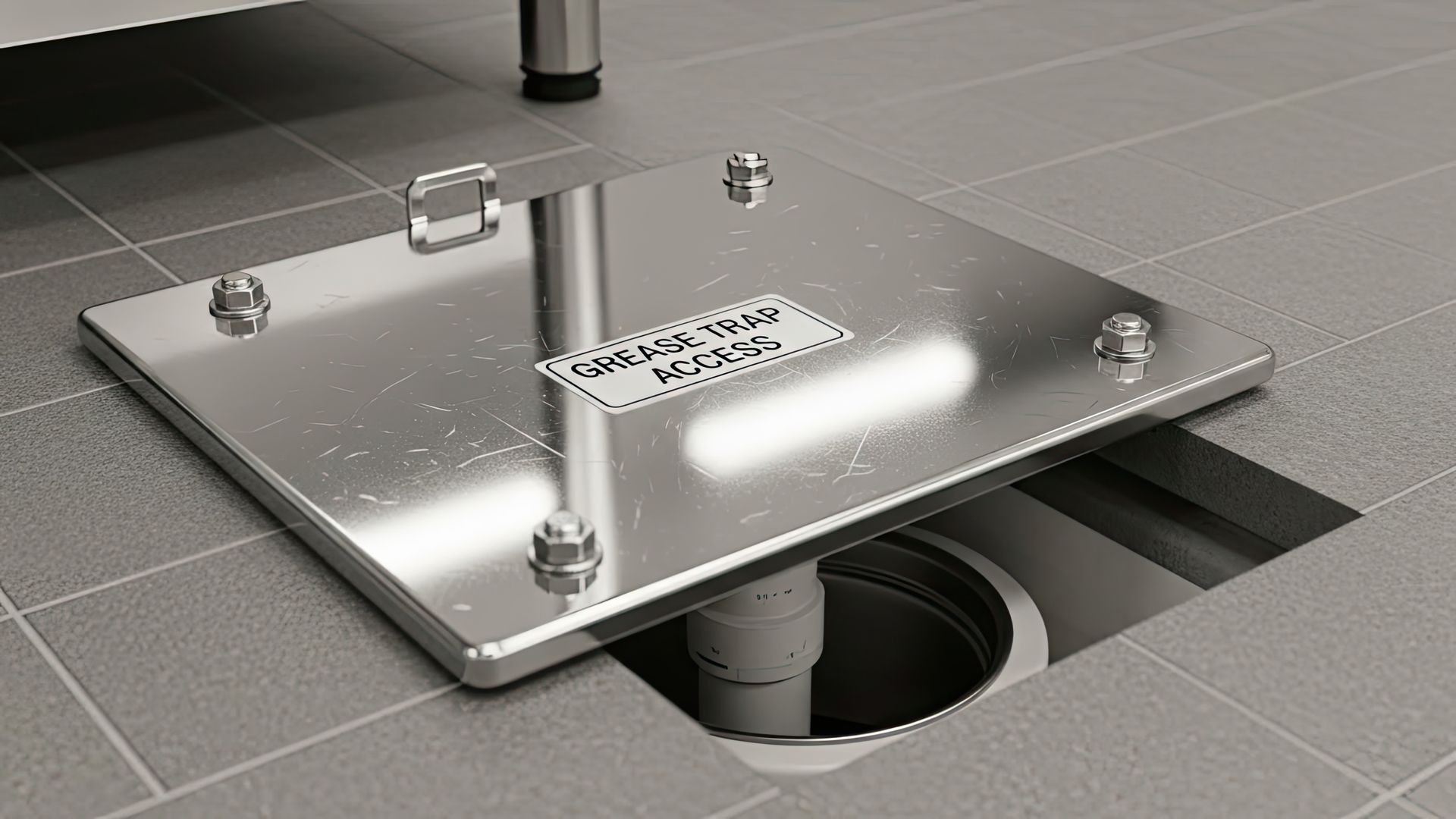
When a building’s plumbing cannot be reconfigured easily, traps may be tucked into back corners, mezzanines, narrow utility rooms or shared corridors. Hard-to-reach traps mean longer service windows, more labor and a higher chance that required cleaning intervals fall behind during peak demand periods.
Split Tenant Spaces With Shared Lines
Some ghost kitchen hubs merge multiple suites into a shared wastewater network. In those scenarios, one stall can affect another’s operations, and kitchen managers rarely have full visibility into how neighboring brands use sinks, combi ovens, woks or dish machines. This uncertainty drives up the risk of sudden blockages, especially where the historic grease load of the building was low before the kitchen conversion.
Limited Access for Pump Trucks in Dense Infill Developments
Many Atlanta ghost kitchens occupy adaptive reuse projects or compact urban parcels that offer little exterior space for pump trucks. Courtyards, narrow alleys and rear service pads restrict hose reach and make routing more complex. These challenges directly affect scheduling reliability, which is critical for high-volume production environments.
Common Access Challenges
Hose Runs That Exceed Allowable Distance
When traps are installed deep inside the building or far from loading areas, extended hose runs reduce vacuum efficiency, increase the risk of clogs in the hose line itself and lengthen total service time. Some operators attempt temporary workarounds like removing door hardware or routing through common spaces, which creates safety issues and disrupts neighboring tenants.
Parking Restrictions and Shared Docks
Ghost kitchens often share loading zones with logistics operators, tenant deliveries and refuse haulers. Pump trucks may have only short windows to connect, so any delay can push a cleaning interval past its due date. This becomes a compliance issue when a site relies on tight maintenance cycles to stay under FOG discharge thresholds.
Below-Grade or Elevated Traps
A number of retrofits place interceptors in basements or above ground on steel platforms. Either condition complicates the setup for pump trucks, which must account for elevation changes that alter suction performance.
These traps may require shorter service intervals and more detailed planning between the provider and site manager.
Regulatory Gray Areas for Multi-Brand and Multi-Tenant Ghost Facilities
Atlanta’s FOG regulations are clear for traditional restaurants, yet ghost kitchens introduce complexities that don’t fit neatly into the standard framework. Multi-brand operations raise questions that inspectors interpret differently across jurisdictions in the metro area.
Who Owns Compliance Within Shared Spaces?
Some facilities operate under a master permit with one entity responsible for FOG records, while others require each brand to maintain its own documentation even when using shared infrastructure. When responsibilities are unclear, recordkeeping gaps appear quickly.
Conflicting Equipment Requirements
A shared kitchen might be required to size traps based on the combined peak load of all tenants, but the operator may only have access to the original drawings of the converted space. Inspectors often request updated load calculations, yet the blend of high-volume and low-volume concepts makes accurate modeling challenging without a specialist.
Southern Green Can Help Metro-Atlanta Ghost Kitchens Stay Ahead of FOG Obligations
If your ghost kitchen or commissary facility needs a partner that understands the demands of nontraditional buildouts and multi-tenant operations, Southern Green Industries can help.
Reach out to schedule a site review or set up service that matches your kitchen’s real production load. Give us a call today at (404) 419-6887.
Recent Blog Posts
Contact us Today for a FREE Quote
We are committed to making grease trap cleaning and fryer oil recycling as clean and easy as possible. If you’d like to learn more about our services or get a quote, give us a call at (404) 419-6887.
