
What Should Business Owners Know About Installing a Grease Interceptor in a Former Retail Space?
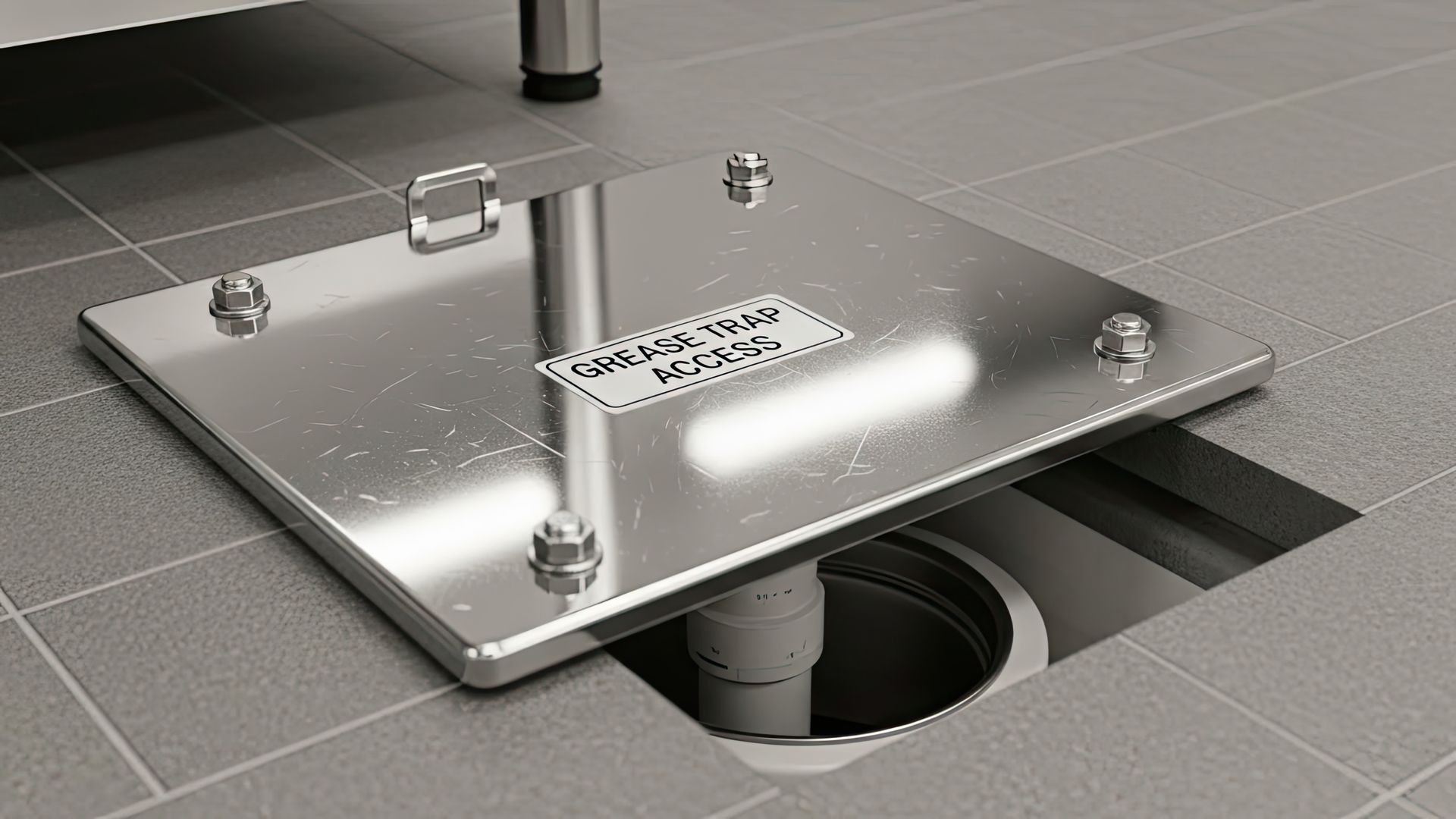
Converting a former retail space into a restaurant can create grease interceptor challenges that are easy to underestimate during early planning. The existing plumbing layout, available exterior space, sewer connection, finished floor elevations and access for future pump-outs can all affect where an interceptor can be installed and how expensive the conversion becomes.
In some properties, the most practical location may require trenching through an existing slab, rerouting kitchen waste lines or coordinating work in common areas controlled by the landlord. Outdoor placement can introduce its own constraints, including utilities, parking, landscaping, traffic loads and the distance between the interceptor and the kitchen.
Those issues are much easier to address while the restaurant layout is still being designed. Once equipment locations, walls and finished surfaces are finalized, changing the grease-waste system can become considerably more disruptive and expensive.
Installing New Plumbing Lines
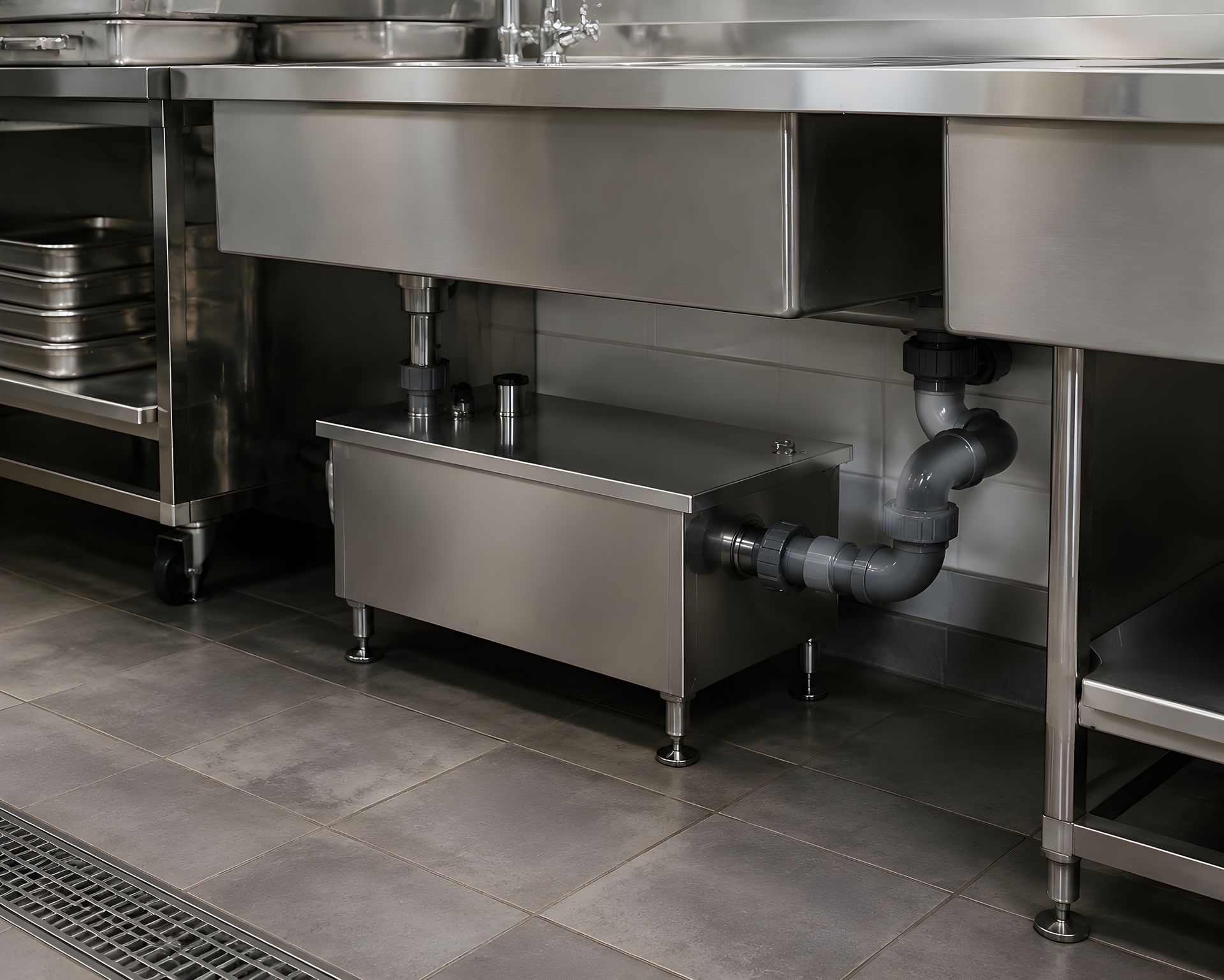
A former retail suite may have only a few relatively simple sanitary connections, while a restaurant buildout can require a much denser network of floor sinks, prep sinks, warewashing connections and other grease-bearing fixtures.
That can mean creating an entirely separate grease-waste piping system rather than simply tying new fixtures into the plumbing already in place. Existing pipe diameter, connection points and available capacity can all affect how much of the original system can realistically be reused.
The scope can grow further when the restaurant layout spreads grease-producing fixtures across different parts of the space. Each additional run has to be incorporated into a workable drainage design, which can make plumbing one of the more substantial infrastructure costs in a retail-to-restaurant conversion.
Interceptor Sizing Depends on the Planned Kitchen
A retail-to-restaurant conversion needs to account for the grease interceptor requirements of the kitchen being built, not the plumbing demands of the previous retail tenant. Interceptor sizing is determined as part of the plumbing design and permitting process based on the fixtures, equipment and wastewater flows the system will serve.
That makes the restaurant layout important early in the project. Adding or relocating warewashing, prep and other grease-bearing fixtures can change the plumbing design and potentially the interceptor requirements.
Available space still matters, but it cannot be the only consideration. If the required interceptor cannot be accommodated in the originally proposed location, the project may need a different placement or plumbing configuration rather than simply installing a smaller unit.
Don't Forget Pump Truck Access
Before deciding where to install a grease interceptor, think about how a grease service provider will access the equipment for pumping and cleaning.
Larger outdoor or in-ground interceptors will need to have access points that grease trap service trucks can reach. If the interceptor is placed somewhere difficult for a service vehicle to access, routine maintenance can become more complicated and potentially more expensive.
Maintenance access should be part of the initial site plan. The equipment needs to be accessible not only to the restaurant's employees but also to the professionals responsible for pumping and cleaning it.
Schedule Professional Grease Interceptor Service in Atlanta
With flexible service options, experienced professionals and recordkeeping that makes compliance easier for food service businesses throughout the Atlanta area, Southern Green Industries can help keep your grease traps and interceptors clean, compliant and easy to manage.
Call (404) 419-6887 to request a quote or learn more about available grease trap services.
Recent Blog Posts
Contact us Today for a FREE Quote
We are committed to making grease trap cleaning and fryer oil recycling as clean and easy as possible. If you’d like to learn more about our services or get a quote, give us a call at (404) 419-6887.
