
Why Grease Trap Cleaning Schedules Fall Out of Sync and How to Fix Them
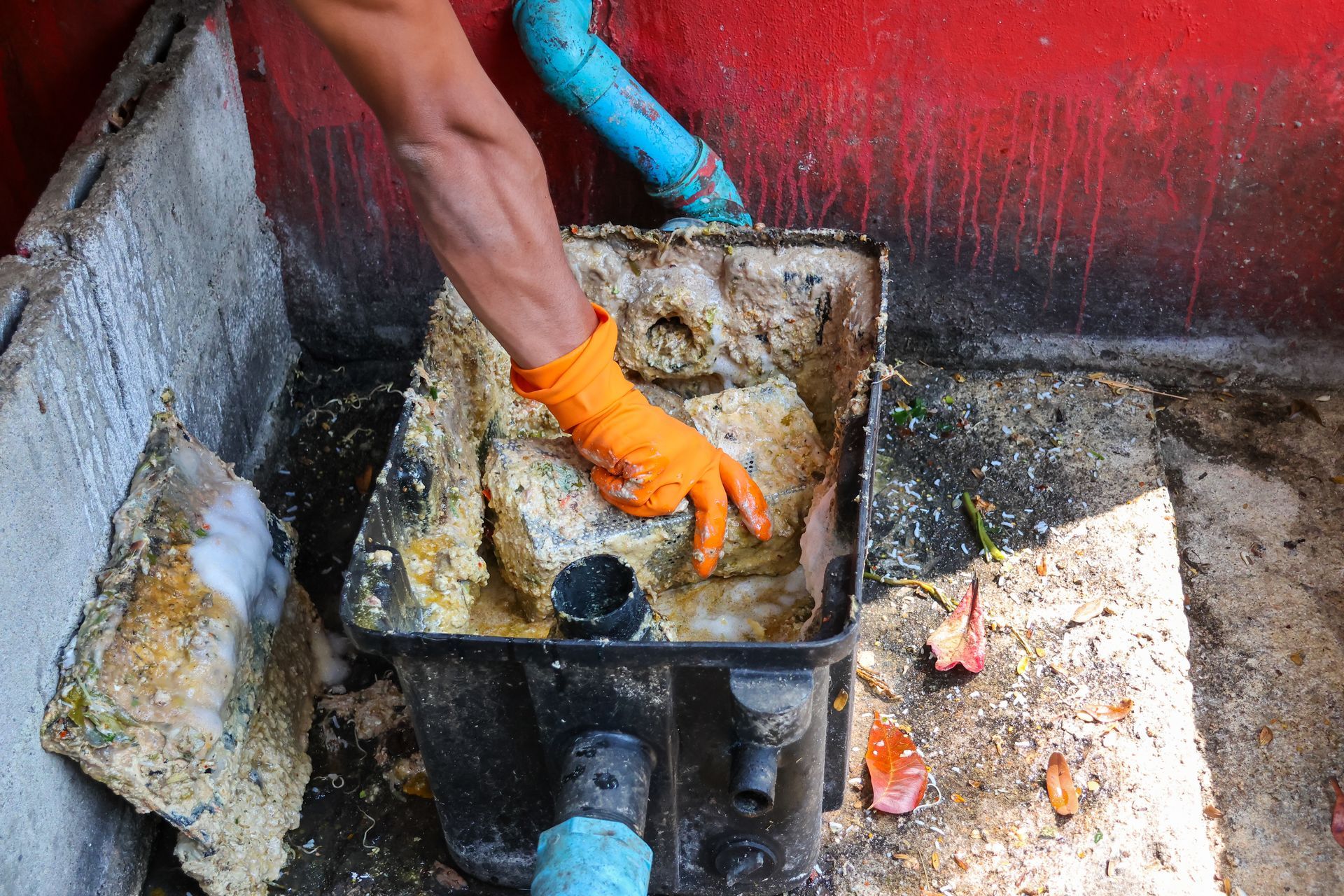
Grease trap and interceptor service schedules rarely fail all at once. In most cases, they drift gradually over time until the interval no longer reflects the original plan or regulatory requirements.
A common example is a 90-day interceptor schedule that gets pushed back due to a scheduling conflict, access issue or missed appointment. The next service is then booked 90 days from the delayed visit instead of the original date. Over time, that cycle can shift well beyond the intended interval without being immediately noticed.
Rescheduling without resetting the baseline is one of the most common causes of schedule drift. Instead of maintaining the fixed frequency required by local regulators, the schedule becomes reactive and based on the last completed service.
Day-to-Day Issues That Disrupt Scheduled Service
Even when a recurring schedule is in place, routine operational issues can interfere with service completion.
Access is one of the most frequent problems. Interceptor lids may be blocked, gates locked or parking areas unavailable when the service crew arrives. If access cannot be established, the service may be delayed or skipped.
In some cases, staff may not be aware that service is scheduled, leading to normal kitchen activity during pumping. Excessive water flow during service can affect how thoroughly the system is cleaned or require rescheduling.
Vendor-side issues can also contribute. Delays, route changes or missed appointments may not always be communicated clearly to businesses, especially if there is no follow-up process to confirm completion.
Individually, these issues may seem minor. Over time, they contribute to a schedule that no longer meets the required service frequency.
The Gap Between Scheduled Service and Completed Service
Having grease interceptor service on the calendar does not guarantee that it was performed as planned.
In some cases, service may be partially completed due to time constraints, access limitations or site conditions. In others, a missed visit may go unnoticed if there is no confirmation process in place.
Relying on a recurring schedule alone can create a false sense of compliance. Without verifying that service was completed and documented, it is possible for intervals to extend beyond requirements without clear visibility.
Accountability Gaps That Lead to Missed Service
Grease trap maintenance often falls into a gray area of responsibility.
At the location level, managers may assume service is being handled automatically. At the corporate level, oversight may depend on reports or documentation that are not reviewed regularly. Vendors are responsible for performing grease trap cleaning, but not always for ensuring that schedules remain aligned with compliance requirements.
When responsibility is not clearly defined, missed services or delayed intervals can go unaddressed until they are discovered during an inspection or after a FOG problem develops.
How Inconsistencies Show Up During Inspections
Schedule drift and missed service often become visible when records are reviewed by local regulators.
Inspectors may identify gaps between service dates that exceed required intervals or notice inconsistencies between locations operating under the same brand.
Missing or incomplete manifests can raise additional questions, even if the system appears to be functioning properly at the time of inspection.
Because these issues tend to develop gradually, they are often not identified internally until they are flagged externally.
How to Get Back on Track and Prevent Future Service Gaps
Correcting a misaligned grease trap servicing schedule starts with confirming when the last full service was completed and evaluating current FOG and solids levels. If the system is already near or beyond capacity, a catch-up cleaning may be needed before reestablishing a proper interval.
From there, the schedule should be reset based on the correct service frequency, not the most recent delayed visit. Maintaining a fixed cadence helps prevent intervals from continuing to drift over time.
Ongoing consistency depends on verifying that each service is completed as scheduled and properly documented.
Confirming completion, keeping records organized and periodically reviewing intervals against actual accumulation can help identify issues before they lead to violations.
If your grease trap or interceptor cleaning schedule has fallen out of sync, Southern Green Industries can help evaluate your current service history, restore a compliant schedule and keep your maintenance program aligned moving forward. Call us at (404) 419-6887 for a free quote and advice on scheduling and compliance.
Recent Blog Posts
Contact us Today for a FREE Quote
We are committed to making grease trap cleaning and fryer oil recycling as clean and easy as possible. If you’d like to learn more about our services or get a quote, give us a call at (404) 419-6887.
