
How Food Production Facilities Differ From Restaurants in Their FOG Maintenance Needs
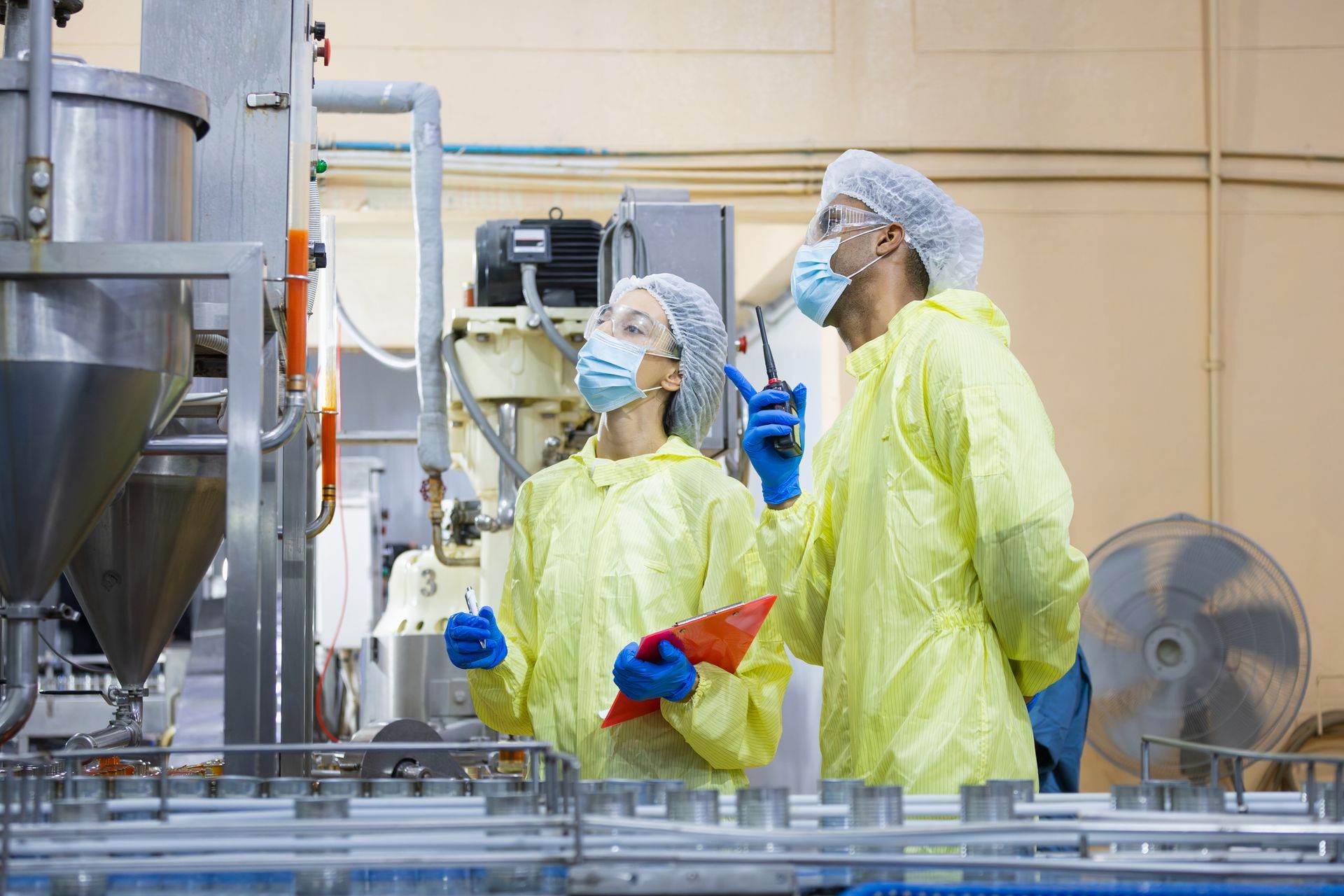
Grease interceptors seem deceptively straightforward. At their most basic, they are tanks with an inlet on one end, an outlet on the other and baffles in between. Although they rely largely on gravity and retention time to separate grease from wastewater, the loads they must handle can vary considerably from one facility to another.
Food production facilities often generate wastewater with different volumes, temperatures, solids content and FOG concentrations than a typical restaurant. Those differences affect how quickly an interceptor fills, how efficiently it separates grease and how often it needs to be serviced.
Commissaries Handle High-Volume Food Preparation
Commissary kitchens often prepare food for multiple restaurants, food trucks, catering companies or retail locations from a single centralized facility.
Unlike a traditional restaurant that experiences predictable meal rushes, commissaries may operate for extended hours while producing thousands of meals each day.
Their wastewater typically contains:
- Large volumes of grease
- Food preparation debris
- Vegetable scraps
- Meat particles
- Starches and sauces
Because production volumes are much higher, grease interceptors may reach capacity faster than similarly sized restaurant systems. Regular inspections and customized pumping schedules are essential to prevent backups and maintain efficient operations.
Bakeries Produce Less Grease—but More Solids
Many bakery owners assume they don't need to worry much about grease because they fry very little food.
In reality, bakery wastewater presents its own unique challenges. Instead of large amounts of cooking grease, bakeries often generate:
- Flour
- Dough residue
- Sugar
- Butter
- Frosting
- Cream fillings
- Chocolate
- Food particles
These materials can accumulate inside grease interceptors differently than restaurant grease. Sticky sugars and starches may harden over time, while butter and shortening can solidify inside plumbing lines.
Because bakery wastewater behaves differently, maintenance schedules should be based on actual waste generation rather than assumptions about grease production.
Food Manufacturers Generate Highly Variable Wastewater
Depending on what is being produced, wastewater may contain:
- Vegetable oils
- Animal fats
- Dairy products
- Proteins
- Seasonings
- Food solids
- Cleaning chemicals
- Wash-down water
Some production lines create relatively consistent wastewater throughout the day, while others experience heavy discharge during equipment cleaning or production changeovers.
These changing conditions require grease interceptor maintenance programs that account for production schedules rather than simply following a standard calendar.
Meal Prep Companies Produce Consistent Daily Waste
Meal preparation companies have grown rapidly as consumers seek healthy, ready-to-eat meals delivered directly to their homes. These facilities often prepare hundreds or thousands of identical meals every day.
Their kitchens generate wastewater from:
- Vegetable washing
- Protein preparation
- Cooking operations
- Dishwashing
- Equipment cleaning
Although grease production may be lower than some restaurants, meal prep operations often produce wastewater continuously throughout the day.
Institutional Kitchens Operate at Large Scale
Schools, universities, hospitals, correctional facilities, military bases and corporate cafeterias often prepare thousands of meals daily. Institutional kitchens frequently operate on strict serving schedules where downtime simply isn't an option.
Their wastewater commonly includes:
- Animal fats
- Cooking oils
- Large quantities of food scraps
- High-volume dishwashing waste
- Cleaning water
Because these facilities often operate under government regulations or internal operational standards, maintaining grease interceptors is critical for both compliance and uninterrupted service.
Preventive maintenance helps avoid plumbing failures that could impact hundreds or even thousands of people.
Customized Maintenance Protects Your Facility
Scheduling grease interceptor cleaning solely according to a standard monthly or quarterly interval can lead to unnecessary service or allow excessive FOG and solids to accumulate between visits.
During routine pump-outs, service providers can observe accumulation levels and identify patterns that indicate whether the current cleaning frequency matches the facility’s wastewater load. Food production facilities may need shorter or more flexible intervals based on discharge volume, solids content, operating schedules and seasonal production changes.
A service schedule based on actual accumulation helps support compliance, reduce the risk of overfilled interceptors and keep maintenance costs more predictable.
Work With an Atlanta Grease Interceptor Cleaning Company That Can Scale to Your Need
Our experienced team serves businesses throughout the Atlanta metro area with flexible scheduling, no long-term contract requirements, complete service documentation and environmentally responsible grease interceptor cleaning and waste disposal.
We also provide manifests for your records and can even submit required documentation directly to your local regulator to help simplify compliance.
Don't rely on a one-size-fits-all maintenance schedule. Contact Southern Green Industries today at (404) 419-6887 to develop a grease interceptor maintenance program tailored to your operation's wastewater needs.
Recent Blog Posts
Contact us Today for a FREE Quote
We are committed to making grease trap cleaning and fryer oil recycling as clean and easy as possible. If you’d like to learn more about our services or get a quote, give us a call at (404) 419-6887.
