
When Is a Grease Interceptor Actually Too Large for the Kitchen It Serves?
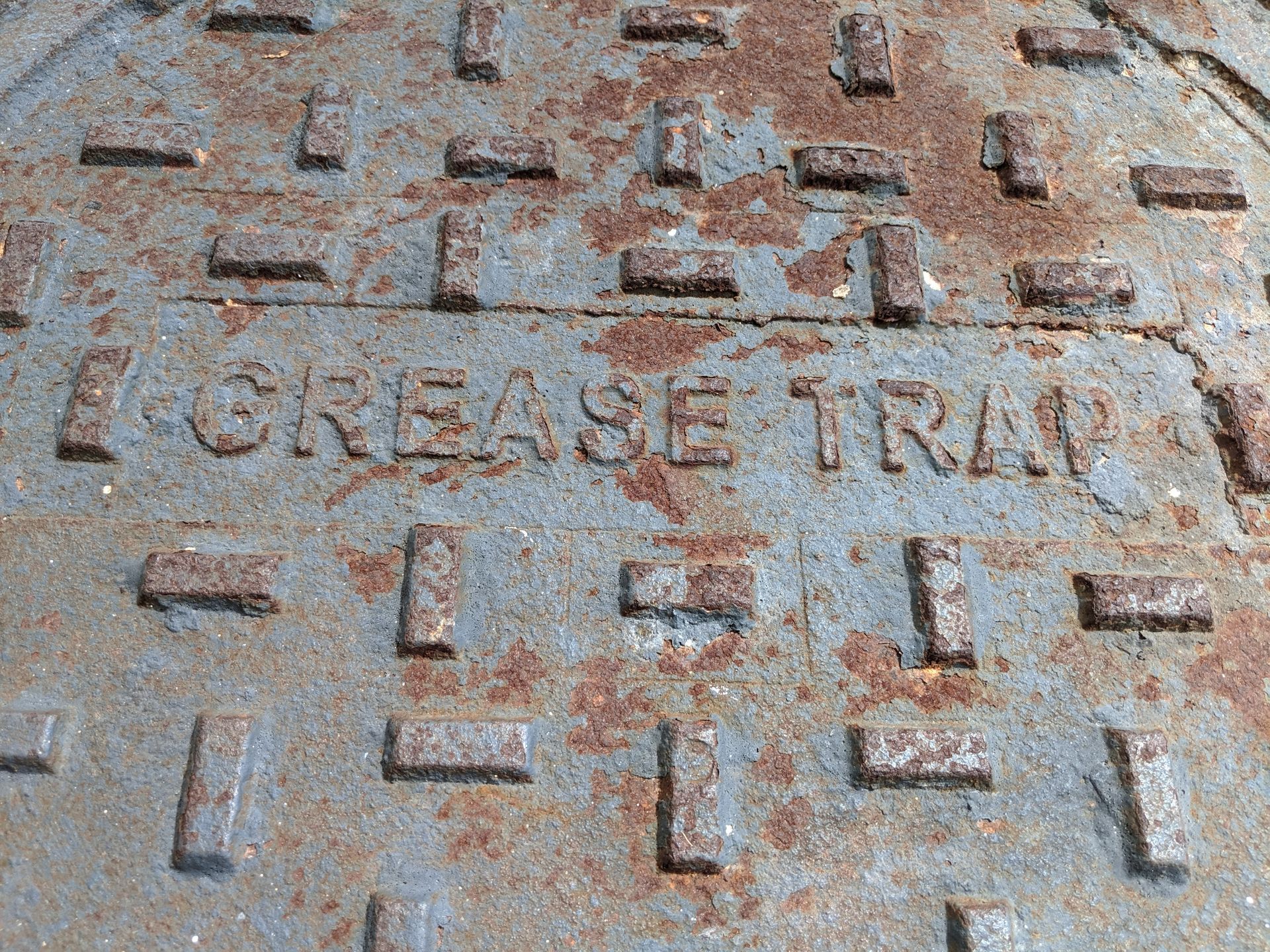
A larger interceptor is not inherently a problem, and many businesses operate successfully with systems that exceed their current needs. In fact, restaurants frequently move into second-generation spaces where an interceptor was sized for a previous tenant with a different menu or production volume. Replacing a functional interceptor simply because it's larger than necessary rarely makes financial sense.
However, having a larger interceptor doesn't automatically reduce maintenance costs or eliminate the need for regular service. Grease interceptors are designed around expected wastewater flow, and oversized systems come with their own operational considerations.
Larger Doesn't Mean Maintenance-Free
A larger interceptor may hold more waste, but it does not change Atlanta’s cleaning and documentation requirements. Even if FOG and solids remain below the 25% threshold, the facility must still comply with the required cleaning frequency for that unit. Missing a required service is a separate violation that can result in citations, fines, and other penalties.
Low-Volume Kitchens May Experience Different Maintenance Challenges
A larger interceptor serving a relatively small wastewater load may experience slower turnover than one serving a busy kitchen. That isn't necessarily a performance problem, but it can create different maintenance considerations.
Organic material remains inside the interceptor between pump-outs, where it naturally begins to break down.
Over time, this decomposition may contribute to:
- Stronger odors
- Increased gas production
- Greater sludge accumulation
- Septic conditions within the interceptor
These issues don't mean the interceptor is failing, but they can affect day-to-day operation.
Planning for Growth Is Different Than Oversizing
There are situations where installing additional capacity makes sense.
Facilities planning to increase seating, expand production, add kitchen equipment or accommodate future tenants may intentionally select a larger interceptor to avoid another costly construction project later.
That's very different from assuming the largest available interceptor is automatically the best choice. Proper sizing considers factors such as:
- Daily wastewater volume
- Peak flow rates
- Kitchen equipment
- Food preparation methods
- Cleaning practices
- Realistic future expansion plans
Selecting an interceptor that supports both current operations and anticipated growth without creating unnecessary installation or operating costs is not necessarily a bad thing.
If You Already Have a Large Grease Interceptor
Many restaurant owners lease or purchase facilities with existing grease interceptors already in place. If your interceptor is larger than your current operation requires, there's usually no reason to replace it simply because of its size.
Instead, focus on maintaining it appropriately.
A service schedule based on your facility's actual grease production, wastewater volume and observed accumulation is typically far more important than whether the interceptor is somewhat larger than current demand.
An experienced grease trap service provider can help determine whether your current cleaning interval matches your facility's operating conditions and recommend adjustments if needed.
Don't Let Extra Capacity Create a False Sense of Security
A larger interceptor provides more reserve capacity, but that shouldn't be mistaken for a maintenance buffer. As kitchens change over time through new menu items, additional equipment or higher customer volume, FOG production can gradually increase without immediately creating noticeable plumbing problems.
That extra capacity may delay obvious warning signs like slow drainage or backups, making it easier to assume the current cleaning schedule is still appropriate.
Regulators evaluate compliance based on required service intervals and the condition of the interceptor, not whether a facility has avoided plumbing issues. Maintenance schedules should still be reviewed periodically to ensure they reflect the kitchen's actual wastewater production.
Basing grease interceptor service decisions on operating conditions rather than available tank capacity helps reduce compliance risks and keeps the system performing as intended.
Dependable Grease Interceptor Service for Facilities of Every Size
Southern Green Industries provides dependable grease interceptor cleaning and used cooking oil recycling throughout the Atlanta metro area. Call (404) 419-6887 today to schedule service and develop a maintenance program that matches your facility's actual operating needs.
Recent Blog Posts
Contact us Today for a FREE Quote
We are committed to making grease trap cleaning and fryer oil recycling as clean and easy as possible. If you’d like to learn more about our services or get a quote, give us a call at (404) 419-6887.
