
The Hidden Costs of Delaying Grease Interceptor Repairs Instead of Replacing Worn Components
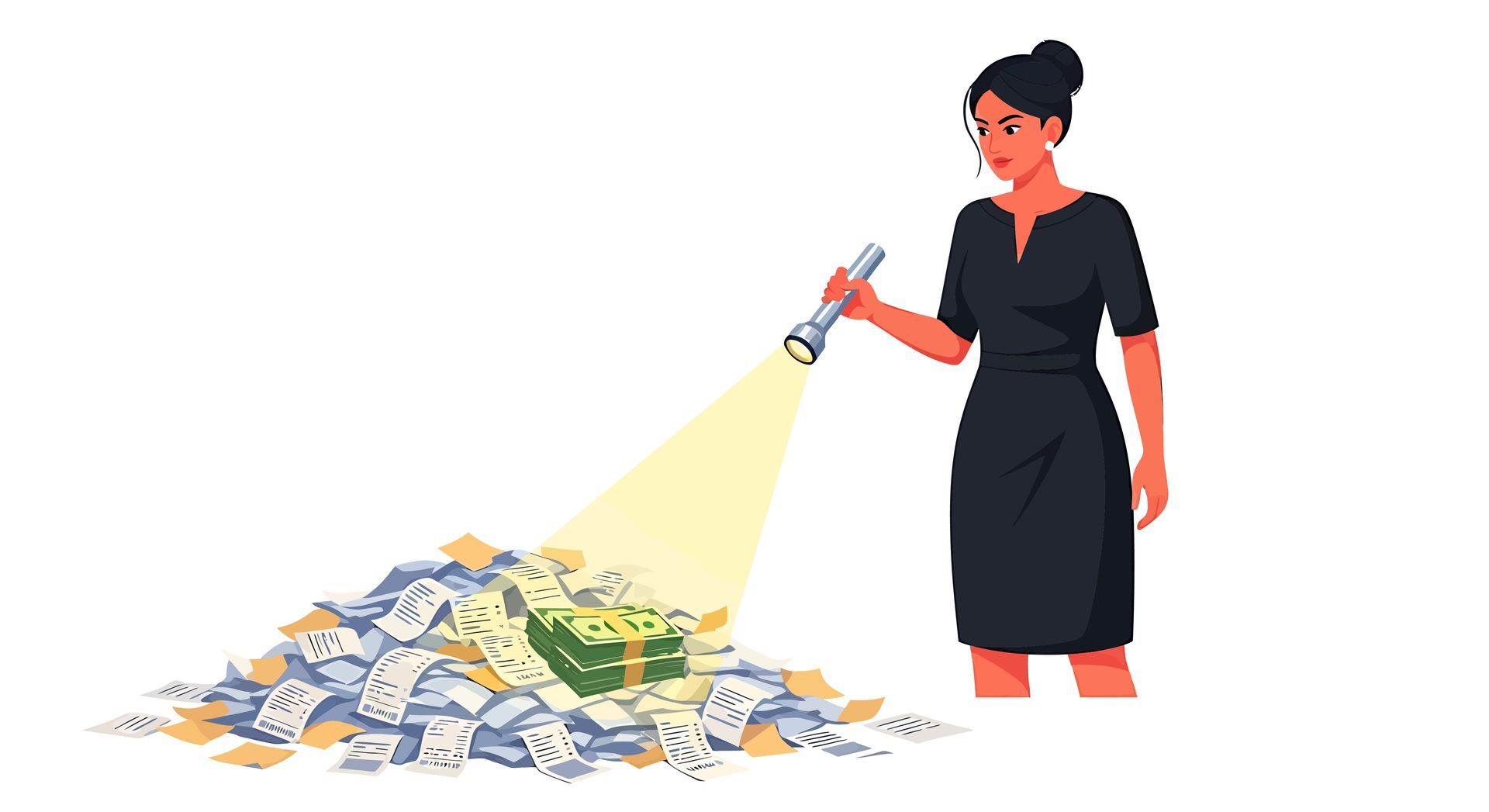
Following city-mandated grease trap cleaning requirements is not the same as providing complete grease interceptor maintenance. While removing accumulated fats, oils, grease (FOG) and food solids is essential, it won't solve structural problems inside the interceptor.
A damaged grease interceptor can continue to be pumped for months, or even years, despite no longer performing optimally. Full interceptor replacement is not always necessary to restore performance. Many problems can be resolved by replacing worn or damaged components such as baffles, tees, risers, lids, seals or by performing concrete repairs.
Delaying these repairs may seem like a way to save money, but it often leads to higher costs and unnecessary operational headaches.
Pumping Doesn't Fix Structural Problems
Think of grease interceptor pumping like changing the oil in your vehicle. It's necessary maintenance, but it doesn't repair a broken engine.
During routine grease trap cleaning, obvious signs of wear or damage often become visible once the interceptor is opened. Simply removing waste and putting the lid back on won't restore the interceptor's ability to separate grease from wastewater if important internal components have deteriorated.
As components deteriorate, grease is more likely to escape and accumulate in the building sewer lateral, increasing the risk of blockages and sewer backups.
Damaged Baffles Reduce Separation Efficiency
Cracked, deteriorated or missing baffles allow wastewater to bypass the separation process altogether. Instead of grease floating and remaining inside the interceptor, it continues into the sewer system.
Broken Tees Allow Grease to Escape
When tees crack, collapse or separate from the piping, wastewater can flow improperly through the tank. Grease and food solids may leave the interceptor before they've had time to separate.
Replacing damaged tees restores proper flow and improves interceptor performance.
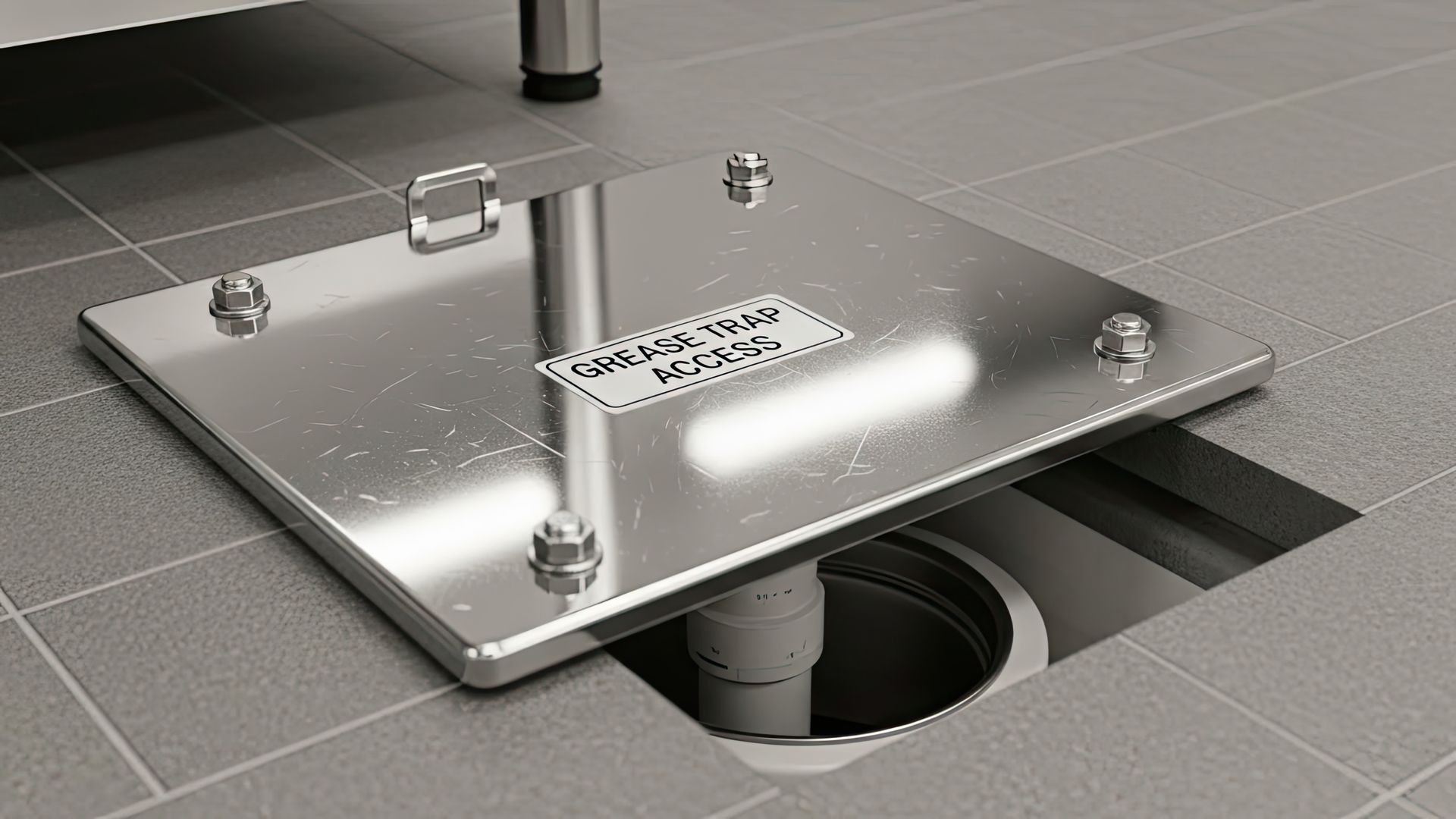
Worn Risers and Lids Create Safety Risks
Interceptor lids and risers are frequently exposed to vehicle traffic, weather, moisture and years of wear. Over time, they can become:
- Cracked
- Loose
- Warped
- Difficult to seal properly
Damaged lids create safety hazards for employees and contractors while allowing rainwater, debris and contaminants to enter the interceptor.
Excess water increases pumping frequency by filling valuable interceptor capacity with stormwater instead of grease waste.
Failed Seals Can Lead to Odors and Leaks
Seals are often overlooked because they're relatively inexpensive compared to other components.
However, deteriorated seals allow odors to escape while also permitting groundwater or surface water to enter the interceptor.
This can create unpleasant smells around your facility and increase unnecessary pumping costs due to excess water entering the system.
Replacing worn seals is a simple repair that helps keep the interceptor operating efficiently while minimizing odor complaints.
Concrete Damage Gets Worse Over Time
Soil movement, corrosion, groundwater infiltration and normal wear can enlarge concrete cracks over time. Eventually, businesses may experience:
- Structural instability
- Leaks
- Premature interceptor failure
Early concrete repairs can often extend the life of an interceptor for many years while avoiding the enormous expense and disruption of full replacement.
Delaying Repairs Usually Costs More
Postponing repairs while continuing routine pumping isn’t a reliable way to save money in the long run. In reality, operators often end up paying for:
- Increased pumping frequency
- Sewer backups
- Failed inspections
- Emergency repairs if structural damage worsens
- Higher repair or replacement costs later
Disruption when the interceptor must eventually be taken out of service.
Addressing small component failures early is almost always more affordable than waiting until multiple systems begin failing simultaneously.
Protect Your Investment with Preventive Repairs
Routine grease trap cleaning provides an opportunity to spot obvious signs of deterioration, such as damaged baffles, cracked lids, worn seals or concrete deterioration, before they lead to larger repair needs.
Rather than continuing to pump a damaged interceptor year after year, repairing these components helps restore proper performance and extends the service life of the entire system.
Dependable Atlanta Grease Trap Service That Keeps You Informed
Contact Southern Green Industries at (404) 419-6887 to schedule dependable grease interceptor cleaning and receive clear communication about any visible issues our technicians notice during service.
Recent Blog Posts
Contact us Today for a FREE Quote
We are committed to making grease trap cleaning and fryer oil recycling as clean and easy as possible. If you’d like to learn more about our services or get a quote, give us a call at (404) 419-6887.
