
What Inspectors Look for Inside Atlanta Grease Interceptors Beyond FOG Depth
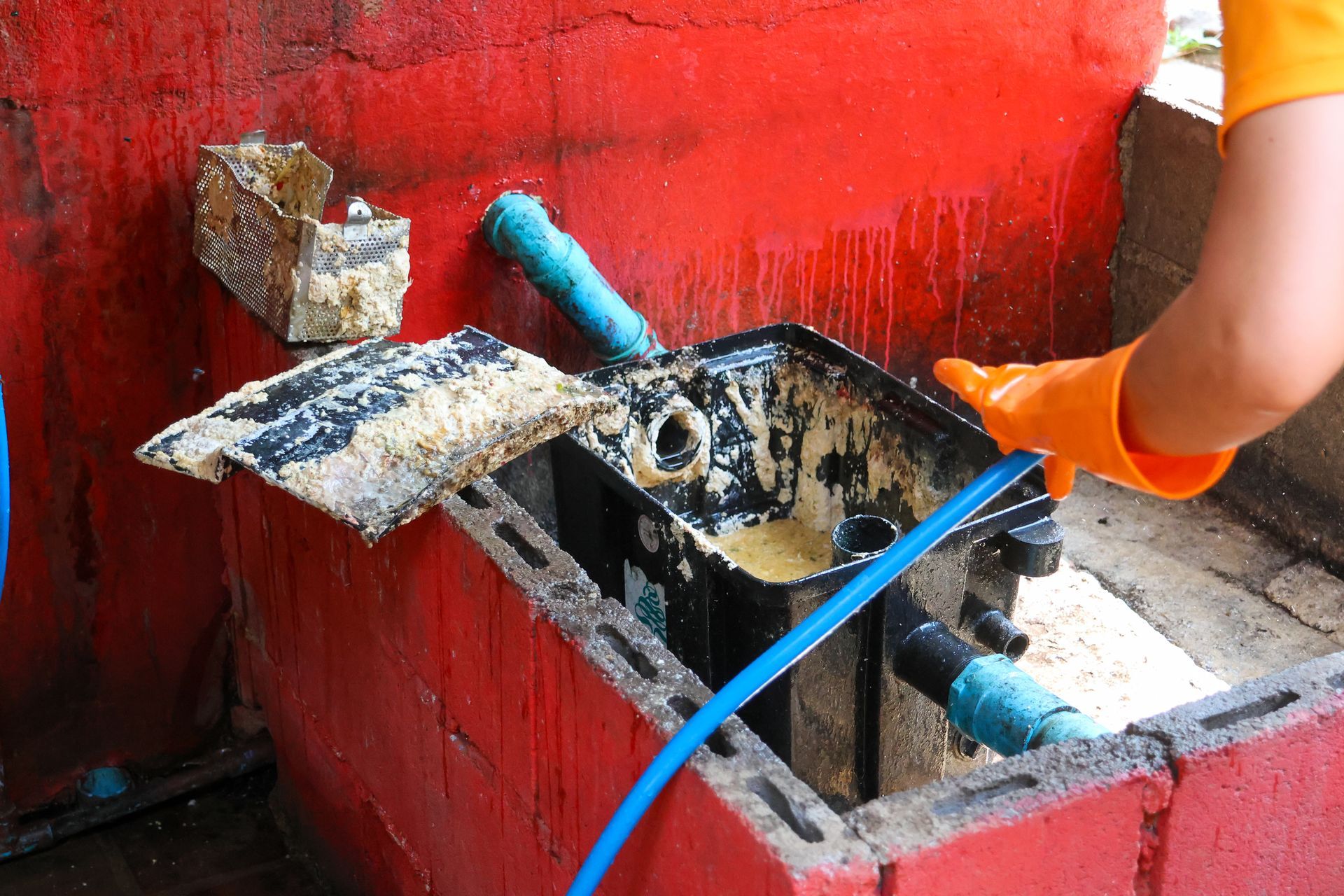
When a City of Atlanta Department of Watershed Management inspector opens a grease interceptor, they are not just checking whether the grease layer is under the 25 percent threshold. Grease depth matters, but it is only one indicator of whether the interceptor is actually protecting the sewer system. Internal condition, flow behavior and documentation consistency all factor into how inspectors evaluate compliance.
Baffle Integrity and Internal Structural Condition
An interceptor can technically meet grease depth limits and still be cited if its internal structure is compromised. Baffles and internal walls are critical for controlling flow and creating separation zones. If those components are cracked, collapsed or missing, wastewater can move through the tank too quickly.
Structural deterioration is especially common in older tanks or systems exposed to high temperatures and aggressive cleaning cycles. These conditions rarely correct themselves and typically worsen between inspections.
Evidence of Bypass and Short-Circuiting
Inspectors also evaluate how wastewater appears to be moving through the interceptor. Even without dismantling components, experienced inspectors can spot indicators of bypass.
Grease or solids appearing near the outlet, uneven accumulation patterns or visible turbulence where flow should be calm all suggest short-circuiting. These signs indicate that wastewater is not spending enough time in the tank to allow proper separation.
Bypass conditions are taken seriously because they allow fats, oils and grease (FOG) to move downstream even when maintenance records appear compliant.
Outlet Clarity and Discharge Condition
What leaves the interceptor matters as much as what stays inside it. Inspectors routinely check outlet clarity as part of their assessment.
Cloudy discharge, visible grease sheen or suspended solids indicate that the interceptor is not performing as designed. This can trigger corrective action even if the grease layer itself is within limits.
From a regulatory standpoint, an interceptor that releases grease downstream is failing its primary function, regardless of pump-out frequency.
Solids Accumulation Below the Flow Line
Solids retention is one of the most commonly overlooked inspection issues. While grease floats and is easy to measure, heavy solids settle at the bottom of the tank and reduce usable volume over time.
Inspectors look for excessive solids accumulation below the flow line because it affects retention time, promotes anaerobic conditions and accelerates corrosion. In some cases, solids buildup is the reason grease depth appears acceptable even though overall performance is poor.
An interceptor that has lost effective volume due to solids may require corrective maintenance or adjusted service intervals.
Flow Behavior During Active Conditions
In some inspections, flow behavior during use becomes part of the evaluation. Inspectors may observe how the interceptor responds during peak discharge periods or review evidence that points to hydraulic overload.
Rapid surging, backflow indicators or conditions tied to specific equipment like dish machines can all factor into whether the system is considered adequately sized and configured. These findings often surface during follow-up inspections or after repeated issues are documented.
Documentation Alignment With Observed Conditions
Manifests and service records are reviewed alongside physical conditions, not in isolation. Inspectors expect cleaning frequency and documentation to align with what they see inside the interceptor.
When paperwork indicates regular service but internal conditions suggest neglect or bypass, that discrepancy raises red flags. Inconsistent records, missing manifests or service intervals that clearly do not match accumulation patterns often lead to further scrutiny.
What Happens When Inspectors Find Internal Deficiencies
When inspectors identify issues beyond grease depth, the typical response is progressive. Facilities are usually informed of the deficiency and given direction to correct it. Depending on the issue, this may involve additional cleaning, repairs, plumbing corrections or documentation updates.
Re-inspections and reinspection fees are common, and unresolved issues can lead to escalating enforcement. Continued noncompliance may result in fines, increased inspection frequency or other operational consequences. Immediate shutdowns are rare, but ignoring documented deficiencies tends to make outcomes more severe over time.
Why Routine Grease Trap and Interceptor Cleaning Isn’t Enough to Protect Atlanta Businesses
Grease interceptor maintenance that focuses only on removing contents leaves facilities exposed during inspections. Internal condition, solids retention and flow behavior change gradually and often go unnoticed until an inspector flags them.
If your facility has questions about inspection readiness or an inspector has found problems your grease trap service provider missed, you should consider calling Southern Green Industries.
Southern Green technicians can evaluate internal conditions, note early signs of bypass or deterioration and help address issues before they become inspection problems.
Southern Green Industries provides grease interceptor maintenance with compliance in mind, helping Atlanta businesses stay ahead of inspections by focusing on how systems actually perform, not just how full they are. Call (404) 419-6887 to schedule service or discuss inspection-related concerns.
Recent Blog Posts
Contact us Today for a FREE Quote
We are committed to making grease trap cleaning and fryer oil recycling as clean and easy as possible. If you’d like to learn more about our services or get a quote, give us a call at (404) 419-6887.
