
Why Does Grease Sometimes Build Up Before the Interceptor Instead of Inside It?
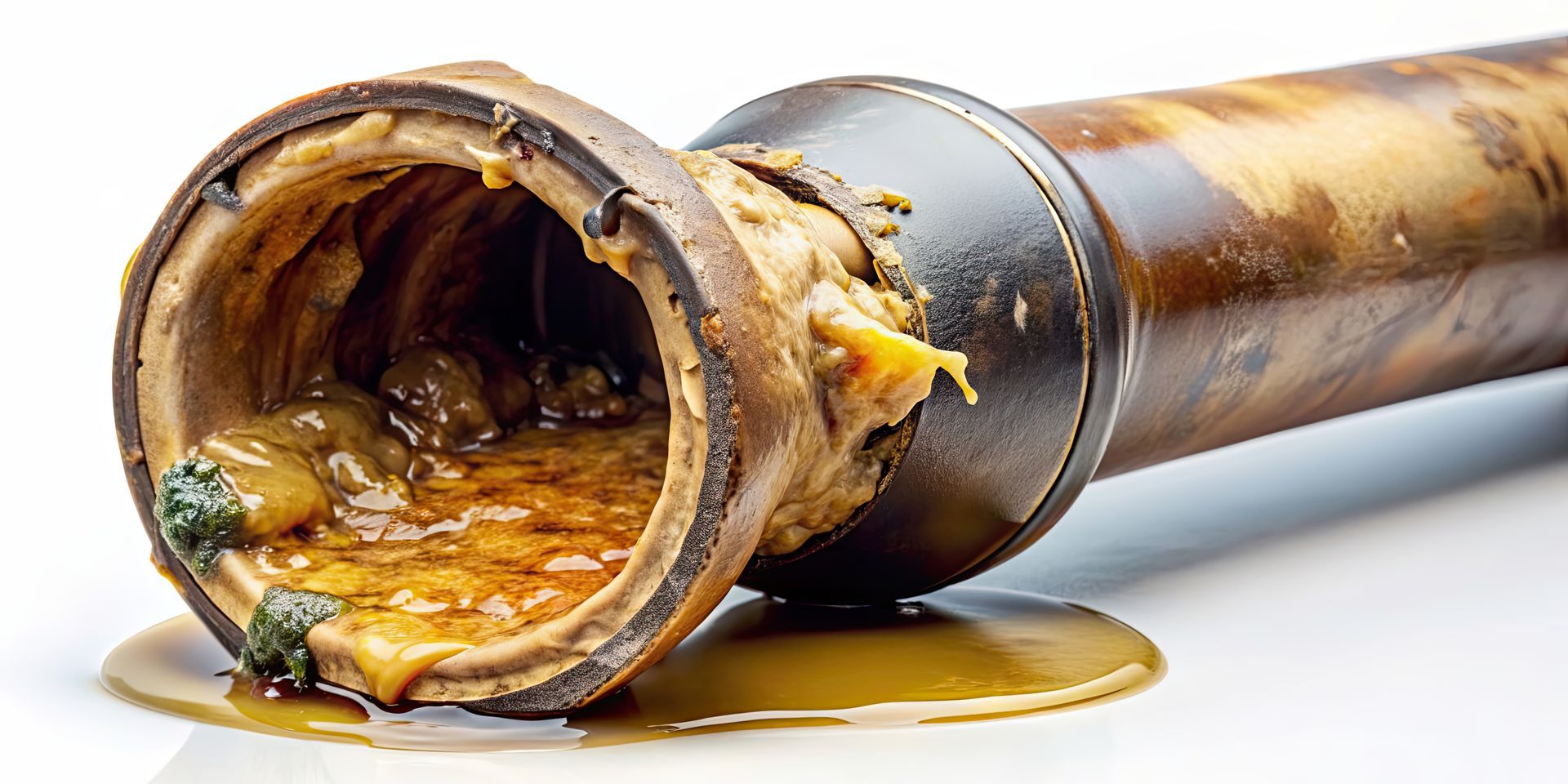
Regular interceptor service does not necessarily prevent grease from accumulating in the piping upstream of the interceptor. If grease is collecting in the waste line before it reaches the interceptor, the issue may have more to do with what happens inside the plumbing than with the interceptor itself.
Grease can begin depositing along the walls of a waste line when conditions allow FOG to cool, settle or adhere to the pipe. Over time, those deposits can restrict flow and create recurring drainage problems even when the interceptor is being pumped and cleaned on an appropriate schedule.
Several factors can contribute to upstream FOG accumulation.
Grease-Waste Lines Can Collect FOG Before It Reaches the Interceptor
The interceptor can only capture grease that actually reaches it. FOG traveling through the waste line can begin sticking to the interior pipe walls before reaching the tank, particularly when wastewater cools during its journey.
Longer runs between kitchen fixtures and an outdoor interceptor can provide more opportunities for FOG to accumulate before reaching the tank. Flow conditions, existing buildup inside the line and the types of fats being discharged can all influence where and how quickly deposits develop.
Over time, relatively thin deposits can become progressively thicker, eventually creating a restriction that affects drainage.
Cooling Wastewater Can Accelerate Accumulation
Temperature plays an important role in how FOG behaves inside a waste line. Grease can remain more fluid and travel farther when wastewater is warm, but both the wastewater and the FOG it carries typically cool as they move farther from the kitchen.
Once grease cools sufficiently, it can become more viscous and begin depositing along the pipe walls rather than continuing toward the interceptor. This is particularly relevant in situations where there is a significant distance between the grease-producing fixtures and the interceptor.
The result can be an upstream grease buildup problem even though the interceptor itself looks relatively normal when it is serviced.
Low-Flow Areas Give Grease More Opportunity to Settle
Flow conditions within the waste line also matter. Sections of pipe with consistently low flow may provide more opportunity for solids and grease to settle or adhere to the walls.
This can occur in portions of piping that serve less frequently used fixtures or in sections where wastewater moves slowly. Once deposits begin forming, they can further reduce the effective diameter of the pipe and create even slower flow.
A cycle can develop: slower flow allows more accumulation, and more accumulation creates even slower flow.
Pipe Grade and Condition Can Affect Where Waste Collects
The physical condition and installation of the waste line can also influence upstream accumulation. Improper grade or sections of pipe that do not maintain the intended slope can create areas where wastewater does not move efficiently.
Sagging or settled sections of underground piping can be particularly problematic because they may hold wastewater and suspended material rather than allowing it to flow consistently toward the interceptor.
This can be particularly worth considering in second-generation restaurant spaces where plumbing has been modified for different kitchen layouts over the years. Moving fixtures, extending drain lines or tying new equipment into existing piping can create a much different route to the interceptor than the building originally had.
The condition of the pipe itself matters as well. Rough interior surfaces, damaged sections, deteriorated piping or existing deposits can provide additional places for grease and solids to catch and accumulate.
In these situations, simply increasing interceptor cleaning frequency may not address the underlying cause.
Other Sources of Upstream Accumulation
The layout and operation of the kitchen waste system can create additional opportunities for grease to accumulate before the interceptor. Multiple branches feeding into a common line, changes in pipe diameter, connections between different sections of plumbing and long horizontal runs can all affect how wastewater moves.
Changes to the plumbing system can also alter established flow patterns. Adding fixtures or modifying drainage lines without considering the existing system can change the volume and velocity of wastewater reaching different sections of the piping.
When upstream buildup keeps returning after the interceptor has been properly serviced, the pattern itself is useful information. The location of the buildup can help identify where flow, temperature or pipe-condition issues may be occurring.
Keep Your Grease Interceptor on a Reliable Service Schedule
Regular interceptor service can sometimes reveal warning signs that a grease problem may extend beyond the interceptor itself. If recurring drainage problems point to an upstream piping issue, further evaluation by a plumbing or drain professional may be necessary.
If you're looking for dependable grease interceptor cleaning and maintenance in the Atlanta area, contact Southern Green Industries at (404) 419-6887 to request a quote.
Recent Blog Posts

Contact us Today for a FREE Quote
We are committed to making grease trap cleaning and fryer oil recycling as clean and easy as possible. If you’d like to learn more about our services or get a quote, give us a call at (404) 419-6887.
